


Opening Hours 9:00 am to 6:00 pm
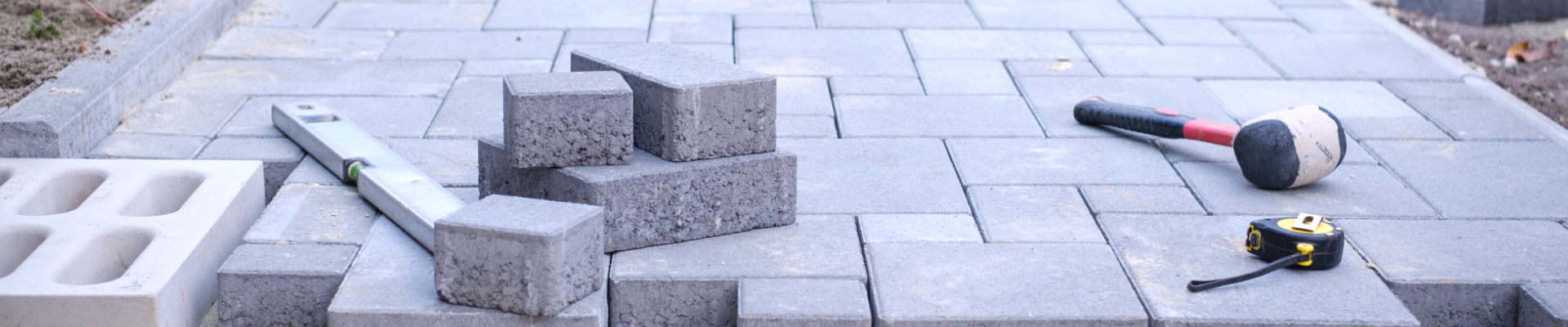
Permeable pavers are one of the most effective solutions for managing flooding in New Orleans homes by allowing water to drain naturally into the ground. In 2026, advanced materials like porous concrete, permeable brick, and interlocking grid systems offer durability, sustainability, and superior drainage performance. Choosing the right option depends on soil conditions, traffic needs, and long-term maintenance.
Flooding is not just an occasional inconvenience in New Orleans—it’s a recurring structural challenge influenced by heavy rainfall, high water tables, and aging drainage infrastructure. Homeowners are increasingly turning to permeable paving systems to mitigate water buildup, reduce runoff, and protect their property.
At Big Easy Paver Patios, we’ve seen firsthand how the right permeable paver system can transform flood-prone outdoor spaces into resilient, functional, and visually appealing environments. In this guide, we break down the best permeable paver options for 2026 and how to choose the right one for your home.
Permeable pavers are specially designed paving systems that allow water to pass through the surface and into the underlying soil. Unlike traditional concrete or asphalt, which create runoff, these systems promote natural infiltration.
The structure typically consists of multiple layers: a permeable surface, a bedding layer, and a base of crushed stone that temporarily stores water before it filters into the ground. This design helps reduce surface flooding, erosion, and pressure on municipal drainage systems.
For New Orleans homeowners, this is especially important because traditional drainage systems often become overwhelmed during heavy storms.
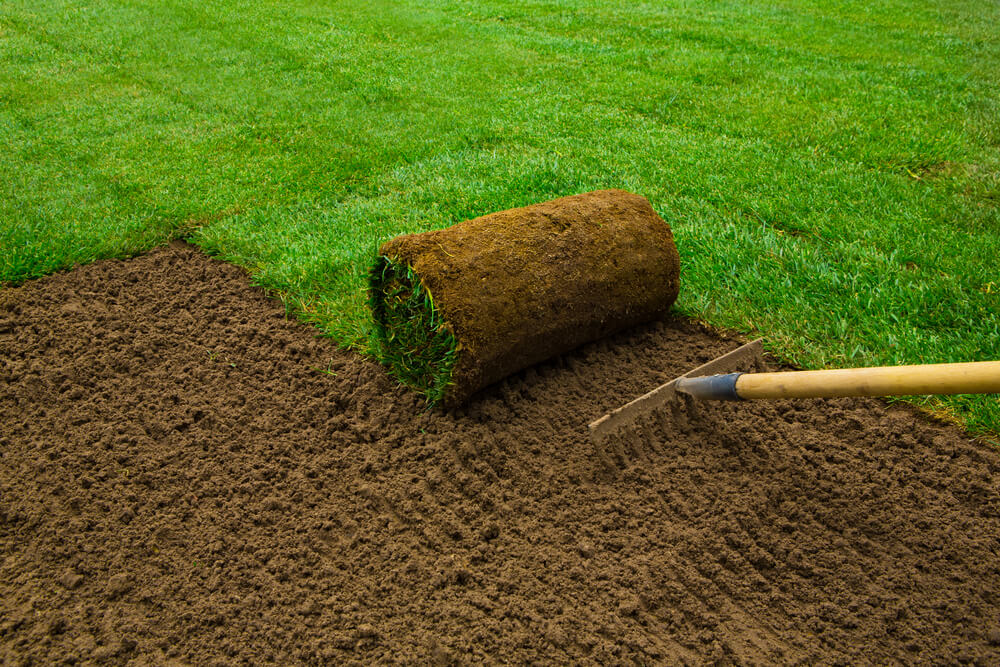
Before selecting a permeable paver system, it’s critical to evaluate several site-specific factors that directly impact performance.
New Orleans soil tends to be clay-heavy, which drains slowly. This means the base layer design becomes even more critical to ensure proper water infiltration and storage.
Driveways require more durable materials than patios or walkways. Choosing a paver that can handle vehicle weight without shifting is essential.
Some permeable systems require periodic vacuuming or refilling of joint materials to maintain performance.
Your paver choice should complement your home’s architecture, whether it’s historic, contemporary, or Creole-style.
Porous concrete is one of the most advanced permeable solutions available today. Unlike traditional concrete, it contains void spaces that allow water to pass directly through.
This option is ideal for driveways and high-traffic areas because of its strength and durability. In 2026, newer formulations offer improved resistance to cracking and longer lifespan, even in humid climates like New Orleans.
However, proper installation is critical. Without the correct base preparation, even the best materials can fail in flood-prone environments.
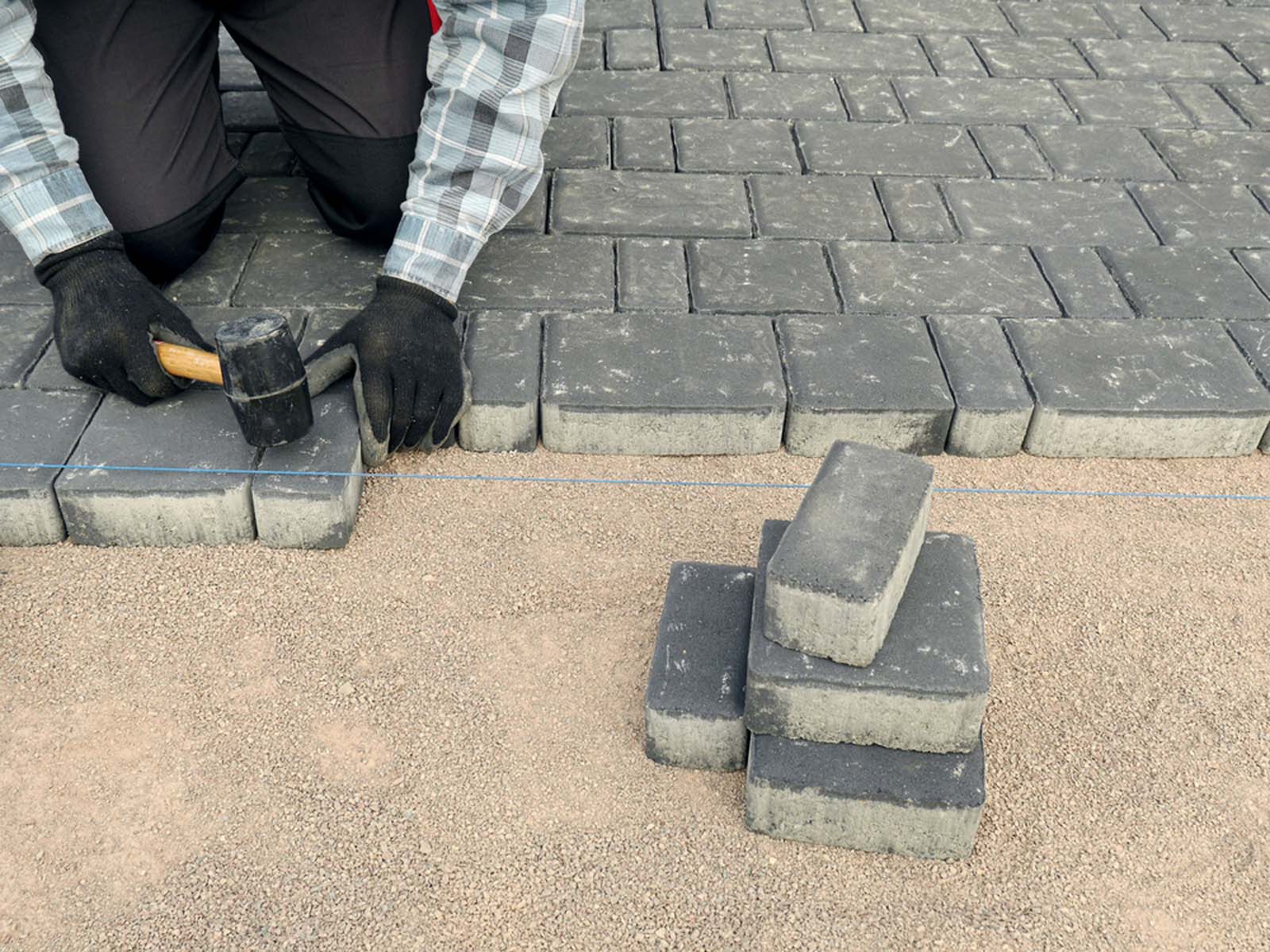
Interlocking concrete pavers remain one of the most popular choices due to their balance of performance and aesthetics.
These pavers feature small joints filled with permeable aggregate, allowing water to flow between units rather than through them. They are highly versatile and can be used for driveways, patios, and walkways.
In flood-prone areas, PICP systems are especially effective because they distribute weight evenly while maintaining structural integrity. They also allow for easy repairs—individual units can be replaced without disturbing the entire surface.
For homeowners who want a classic, timeless look, permeable brick pavers are an excellent choice. These pavers combine traditional aesthetics with modern drainage capabilities.
They work similarly to interlocking concrete pavers but offer a warmer, more historic appearance that aligns well with New Orleans architecture.
While slightly more expensive, their durability and visual appeal often justify the investment, especially for front yards and courtyards.
Gravel systems reinforced with plastic or concrete grids are a cost-effective and highly permeable option. These systems stabilize loose gravel while allowing maximum water infiltration.
They are particularly useful for areas with severe drainage issues or for homeowners seeking a more eco-friendly solution.
Although not as visually refined as other options, modern grid systems have improved significantly in both appearance and performance in 2026.
Natural stone pavers, when installed with permeable joints, offer a premium solution that combines durability with high-end aesthetics.
These systems are ideal for luxury homes and outdoor living spaces where design is a priority. While they require a higher upfront investment, their longevity and minimal maintenance make them a strong long-term option.
The advantages of permeable pavers go beyond just flood prevention. They contribute to a more sustainable and resilient property overall.
First, they significantly reduce stormwater runoff, helping to prevent localized flooding and easing pressure on city drainage systems. This is especially valuable during heavy rain events common in Louisiana.
Second, they improve groundwater recharge, which supports the natural ecosystem and helps maintain soil stability.
Third, permeable pavers reduce surface heat compared to traditional concrete, making outdoor spaces more comfortable during hot summers.
Finally, they increase property value by enhancing curb appeal and demonstrating a proactive approach to flood management—something buyers increasingly prioritize.
Even the best materials will underperform if installed incorrectly. In flood-prone areas like New Orleans, installation quality is just as important as material selection.
A proper installation begins with excavation and grading to ensure water flows away from structures. This is followed by layering a high-quality aggregate base that provides both stability and water storage capacity.
Geotextile fabrics are often used to separate soil from aggregate, preventing clogging and maintaining long-term performance.
Compaction must be carefully controlled to avoid reducing permeability while still ensuring structural integrity.
Working with experienced professionals, such as Big Easy Paver Patios, ensures that every layer of the system is optimized for local conditions.
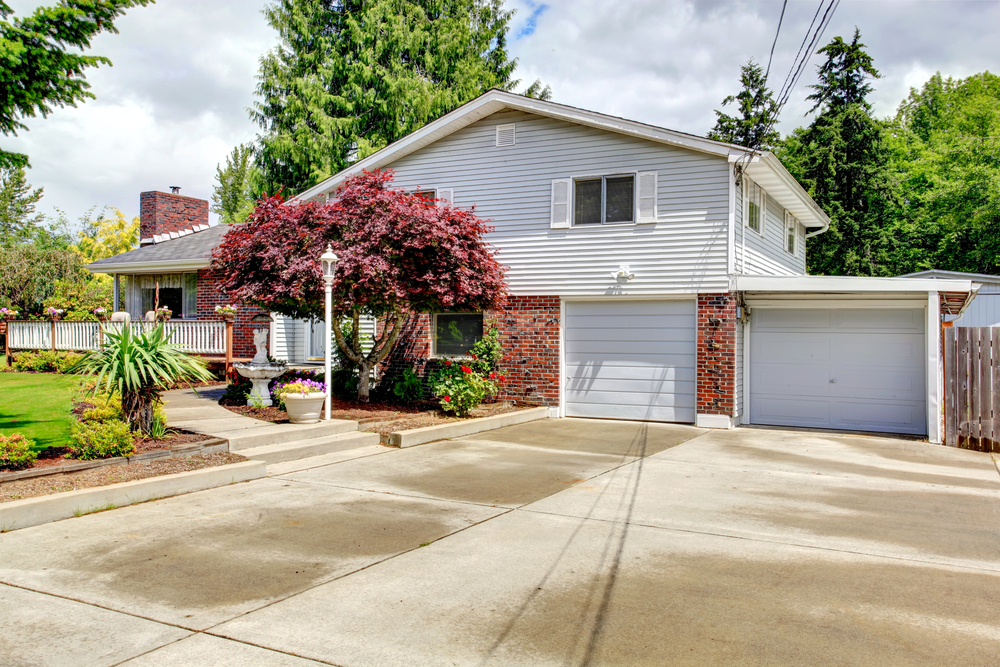
Permeable pavers generally cost more upfront than traditional paving materials, but they offer significant long-term savings.
Homeowners can expect to invest anywhere from moderate to premium pricing depending on the material chosen, site conditions, and project complexity.
However, these systems often reduce the need for additional drainage infrastructure, lower maintenance costs over time, and may even qualify for local incentives or stormwater management credits.
When viewed as a long-term investment in flood prevention and property protection, permeable pavers provide excellent value.
Maintaining permeable pavers is relatively straightforward but essential for preserving their functionality.
Regular cleaning helps prevent debris from clogging the մակ surface. Occasional replenishment of joint aggregate ensures continued permeability.
In areas with heavy sediment or organic buildup, periodic professional cleaning may be necessary to restore optimal performance.
With proper care, most permeable systems can last decades while maintaining both function and appearance.
Selecting the best permeable paver for a flood-prone New Orleans home in 2026 requires balancing performance, aesthetics, and budget. Whether you choose porous concrete for durability, interlocking pavers for versatility, or natural stone for elegance, the key is proper design and installation.
Partnering with experts like Big Easy Paver Patios ensures your investment is tailored to local conditions and built to withstand the region’s unique challenges.
If you’re ready to protect your home, enhance curb appeal, and invest in a smarter drainage solution, now is the time to explore permeable paver options designed for the future.
Porous concrete and interlocking concrete pavers are typically the best options due to their high load capacity and efficient water drainage capabilities.
Yes, but they require a properly engineered base layer to compensate for slow-draining soil conditions.
They generally have higher upfront costs, but they save money long-term by reducing drainage issues and maintenance.
With proper installation and maintenance, permeable pavers can last 20–30 years or more.
No, maintenance is minimal and typically involves occasional cleaning and joint material replacement.
Yes, they improve curb appeal and provide functional benefits that are highly attractive to buyers in flood-prone areas.
Spending time outdoors in New Orleans is one of life’s genuine pleasures, until the August heat index hits 105 degrees or a pop-up thunderstorm rolls in off Lake Pontchartrain. The right overhead s...
Read More
 By Admin
  Mar 26, 2026