

Paver Guides
Paver Walkways and Front Path Design in New Orleans
A front walk in the New Orleans metro takes constant foot traffic, live oak roots, and standing water. How to build one that stays level.
Written by Big Easy Paver Patios
Key Takeaways
- A front walk gets more foot traffic per square foot than any other hardscape on the property, and it’s the first thing visitors judge.
- Width matters more than material. A path two people can walk side by side reads generous; a narrow one feels like an afterthought.
- Live oak roots are the main long-term threat to a level walk in this metro. Design around them rather than through them.
- Edge restraint is what keeps a walkway from spreading, since paths have far more edge relative to area than a patio does.
- Big Easy Paver Patios builds walkways across the metro. Call (504) 688-4244.
The Most Used Hardscape You Own
Quick Answer: Every delivery, every guest, and every trip to the mailbox uses the front walk. It’s small, so it’s often treated as a minor line item, and then it settles, spreads at the edges, or floods after a hard rain. Across the New Orleans metro, getting a walkway right is mostly about three things: adequate width, real edge restraint, and a plan for water and tree roots.
Get the Width Right
The single most common mistake we see is a path too narrow to walk comfortably two abreast. A main front walk should let two people pass side by side without one stepping into the grass. Secondary garden paths can be narrower, since they’re single-file by design.
Also think about what has to travel it: furniture on move-in day, a stroller, a wheelchair, garbage bins on collection day. A path that forces a turn at an awkward angle gets worn into the lawn beside it, which tells you the design was wrong.
Live Oaks Are the Local Constraint
Mature live oaks are one of the best things about metro neighborhoods, from New Orleans to Covington, and the main enemy of a level walkway. Their roots run wide and shallow, well beyond the canopy line, and they thicken over years.
Two failure modes follow. Cutting significant roots during excavation can damage the tree, which is both a loss and potentially a liability. Leaving them and paving over creates a walk that lifts and becomes a trip hazard within a few years.
Better approaches: route the path around the critical root zone even if that means a curve, hand-excavate near roots rather than machine-digging, use a shallower base section in the root zone with a flexible surface, and consider permeable construction near trees so the roots still get water and air. The permeable option is covered in permeable pavers for flood-prone New Orleans homes.
A curved walk around an oak reads as intentional landscape design. A cracked straight one reads as a mistake.
Water on a Flat Lot
A walkway is a long narrow surface, which makes it very good at either draining water or channeling it somewhere you don’t want it. On flat ground with a high water table, that’s a real design question.
Pitch the surface to shed water to the sides rather than along its length toward the house. Where a walk crosses a low area, either raise it slightly with proper base or add drainage beneath. Where it meets a driveway or stoop, plan the transition so water doesn’t pond at the joint. Our post on fixing backyard drainage and our drainage and grading service cover the broader lot.
Edge Restraint Does the Heavy Lifting
Pavers spread outward under repeated load unless something holds them. A patio has a large interior area holding itself together and relatively little perimeter. A walkway is nearly all perimeter, so edge restraint is proportionally far more important.
Without it, the outer courses drift, joints open, sand washes out, and weeds move in. With it, the path holds its line for years. This is another place where a cheap bid saves money on something invisible. Joint maintenance is covered in keeping weeds out of pavers.
Pattern and Material
On a narrow path, pattern choice shows more than it does on a patio because you see the whole width at once. Running bond emphasizes the path’s length and generates fewer cuts. Herringbone interlocks strongly and suits paths that see heavy or wheeled traffic. Our post on herringbone vs running bond covers the tradeoffs.
A soldier course, meaning a border row running along the edges, frames the walk and doubles as part of the edge treatment. It’s a small upgrade that makes a path look finished.
For material, our guide to the best pavers for the Louisiana climate applies. One extra consideration on walkways: surface texture. A very smooth paver in a shaded, damp spot can get slick when algae builds up, and shaded damp spots are common here.
Connecting the Pieces
A walkway is usually part of a larger circulation plan connecting the street, the drive, the front door, and the back yard. Designing those together produces a coherent result and lets you share mobilization costs. Planning those elements together is worth doing before the first one is built. Where the path meets a raised entry, see steps and stoops, and browse the gallery for how the pieces read together.
Before Anyone Digs
Utility service lines often cross the front yard, so a new walk is excavation near gas, water, and power. Louisiana law requires excavators to notify Louisiana 811 at least two full business days before digging so those lines get marked, and the call is free.
Historic properties add a step. In the French Quarter, exterior work on a property needs Vieux Carré Commission approval before it starts, and homes in the city’s other local historic districts go through the Historic District Landmarks Commission, so check whether a new front walk falls under that review before you order materials.
Frequently Asked Questions
Can a walkway be laid over an existing concrete path?
Sometimes, if the concrete is sound and the added height works at the door and driveway. Often removing it produces a better base and a better result.
Straight or curved?
Straight suits formal facades and direct routes. Curved suits informal yards and is the practical answer around trees. Let the site decide.
How long does it take?
A typical front walk is a short project, often a few days including base work, depending on length and demolition. Weather is the usual variable in summer.
What about lighting?
Plan conduit before the surface goes down. Retrofitting means lifting pavers.
Will it settle?
Not if the base is right. Settling is a base and water story, and where it does happen the units can be lifted, the base corrected, and the same pavers reset through repair and releveling.
Walk the Route With Us
We’ll look at how people actually move across your property, where the trees and water are, and lay the path out to suit both.
Big Easy Paver Patios serves River Ridge, Metairie, and the wider metro. See walkways and pathways or call (504) 688-4244.
Keep reading
More from the blog
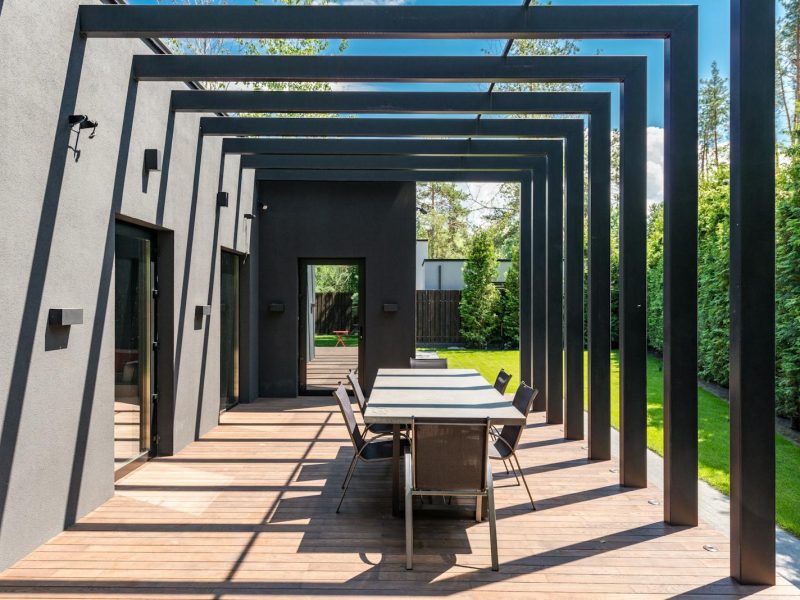
Pergola vs Gazebo vs Pavilion: Which Is Right for Your New Orleans Backyard?
Compare pergolas, gazebos, and pavilions for New Orleans backyards. Learn how each handles Louisiana heat, humidity, and storms…
Read more
New Orleans Courtyard Ideas That Work With Our Climate
The best New Orleans courtyard ideas start with brick pavers, real drainage, and shade built for our humidity.…
Read more
Retaining Walls in the New Orleans Metro: When You Actually Need One
Flat New Orleans area yards still use retaining walls for drainage, raised beds, and grade changes. What they…
Read more