
Local & Climate
New Orleans Courtyard Ideas That Work With Our Climate
The best New Orleans courtyard ideas start with brick pavers, real drainage, and shade built for our humidity. Here's how to design an enclosed courtyard that holds up.
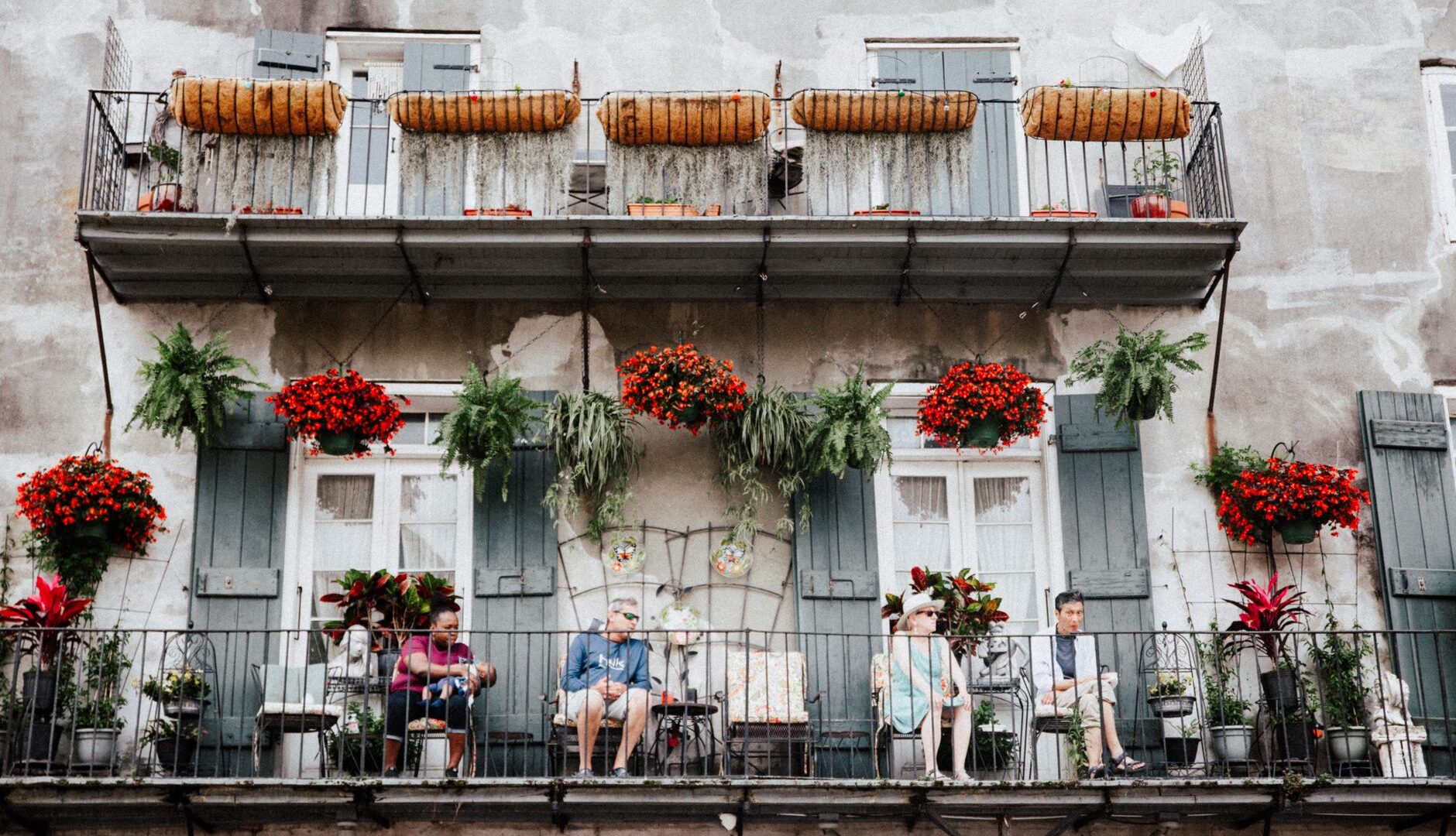
The best New Orleans courtyard ideas start with the same thing every good build here does: the ground and the water. Our courtyards sit on soft alluvial delta soil with a high water table, the rain comes hard and often, and the humidity never really lets up. Design for that first, and the French Quarter charm takes care of itself. Below are courtyard ideas that actually hold up in our climate, not ones borrowed from a dry-state magazine.

Why brick pavers belong in a New Orleans courtyard
Classic Crescent City courtyards were laid in brick for a reason, and the logic still holds. Brick pavers shed heavy rain better than a poured slab because the joints let water move instead of sheeting across a hard surface. They flex with our soft soil instead of cracking when the ground shifts under them. And when a root lifts a corner or you want to run a new drain line, pavers lift and reset. Concrete cannot do that; once it cracks in a tight courtyard, the fix is a jackhammer and a mess. For a historic-district space where every square foot shows, repairable by design matters.
How we build a courtyard that drains
An enclosed courtyard is a tougher drainage puzzle than an open backyard, because the water has nowhere obvious to go. Walls on three or four sides trap it. So the base and the slope do the heavy lifting:
- A deep compacted base of crushed stone, set on our soft delta soil so the pavers stay level for years.
- A planned pitch that moves water away from the house and toward a drain, usually a channel drain or a discreet area drain in the low corner.
- Permeable joints or a French drain tucked along a wall where the courtyard cannot slope far enough.
- A clear outlet so collected water actually leaves the courtyard during a summer downpour instead of pooling at the back door.
Get the drainage right and the courtyard stays usable through hurricane season, June to November, when the rain is at its worst.
Shade, planting, and historic-district character
Shade is not a luxury here, it’s the difference between a courtyard you sit in and one you avoid from May to September. Build it in:
- A wall-mounted pergola or gallery overhang for shade that fits tight, enclosed footprints.
- A small fountain, the old courtyard standard, which masks street noise and moves the air a little in dead-still humidity.
- Tropical zone 9b planting: banana, ginger, sago palm, ferns, and confederate jasmine on the walls. These thrive in our heat and frame the brick the way the Quarter intended.
- Raised planters set on the paver field, easy to move or reset since nothing is locked into a slab.
Keep the brick tone and the iron details in step with the neighborhood, and the courtyard reads like it has always been there.
Pairs well with
A courtyard rarely lives alone. Most of ours connect to a few other moves around the property:
- A full courtyard build when you want the whole enclosed space designed and laid at once.
- Brick walkways and pathways that carry the same pattern from the gate or carriageway into the courtyard.
When you’re ready to map it out, get in touch and we’ll walk the space with you.
Serving the New Orleans metro
We design and build courtyards across the metro: New Orleans, Metairie, Kenner, River Ridge, Slidell, Covington, Mandeville, Madisonville, and Abita Springs. The ground and the rain change a little from Orleans Parish to the Northshore, and we build for whichever one you’re on.
Are brick pavers better than concrete for a courtyard?
For our conditions, yes. Pavers drain through their joints, flex with soft delta soil instead of cracking, and lift and reset when you need to run a drain or fix a settled spot. A cracked slab in a tight courtyard means a jackhammer.
How do you keep an enclosed courtyard from flooding?
A deep compacted base, a planned slope toward a channel or area drain, and a real outlet so water leaves the space. Where walls block the pitch, we add permeable joints or a French drain along the low side.
What plants work in a New Orleans courtyard?
Stick with zone 9b tropicals that love heat and humidity: banana, ginger, sago palm, ferns, and confederate jasmine on the walls. Raised planters on the paver field keep everything flexible.
Do I need a permit for courtyard work?
It depends on the scope and your parish. Permit rules and fees vary across Orleans, Jefferson, and St. Tammany, so check your local office. We handle the permitting for the projects we build.
Keep reading
More from the blog
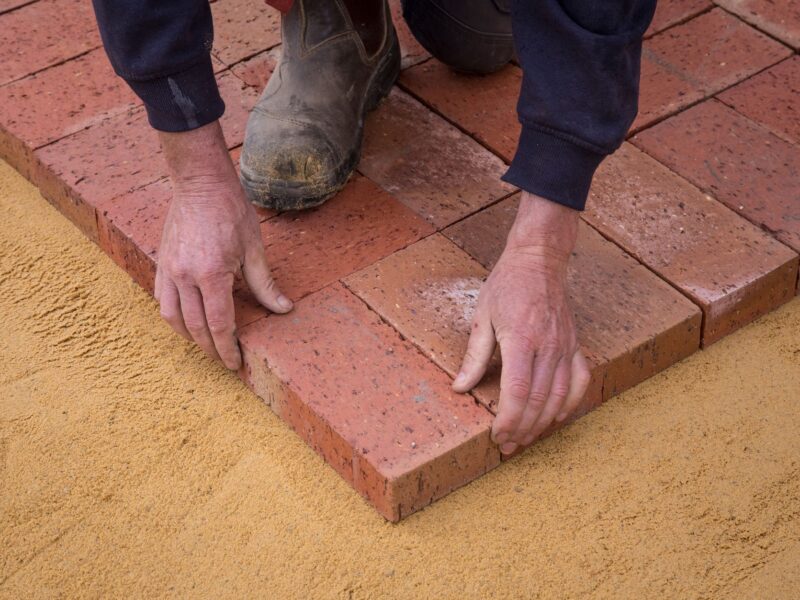
Pavers vs Concrete for New Orleans Patios: Which Lasts Longer
Pavers outlast concrete on New Orleans soil because they flex with our soft delta ground and lift and…
Read more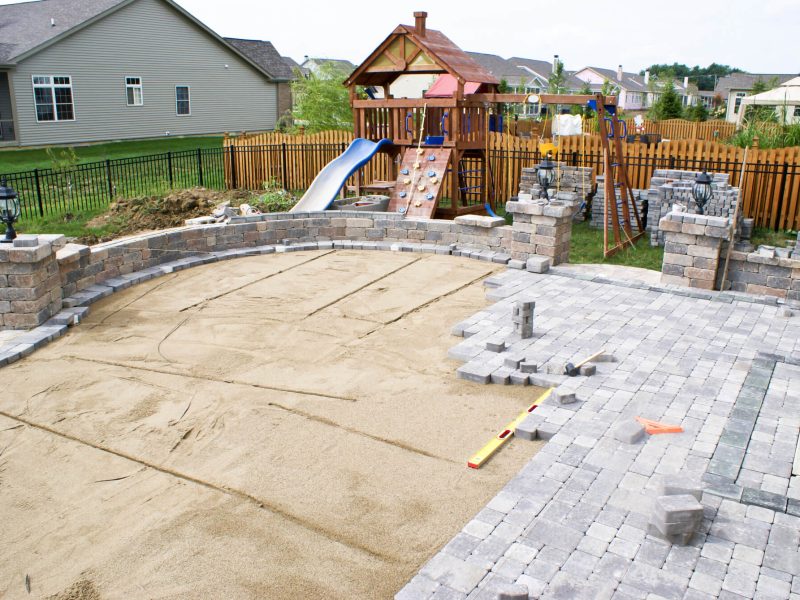
Which Permeable Pavers Are Best for Flood-Prone New Orleans Homes in 2026?
Flood-prone New Orleans homes need pavers that move water, not trap it. Compare the best permeable paver types…
Read more
The Best Pavers for the Louisiana Climate
The best pavers for the Louisiana climate are dense concrete pavers, fired clay brick, and porcelain pavers, picked…
Read more