
Paver Guides
The Best Pavers for the Louisiana Climate
The best pavers for the Louisiana climate: dense concrete, fired clay brick, and porcelain, picked for New Orleans heat, humidity, rain, and UV.
The best pavers for the Louisiana climate are dense concrete pavers, fired clay brick, and porcelain or large-format pavers. Each one stands up to what our weather actually throws at a patio here: long stretches of heat, heavy humidity, sudden downpours, and strong UV. New Orleans and Metairie sit in USDA zone 9b and the Northshore in 9a, so the freeze-thaw cycles that crack hardscape up north are rare across the metro. That changes the math. Down here the real test is water management, color holding up under the sun, and a surface that stays grippy when it is wet. Here is how the top three materials compare for a New Orleans yard.

Concrete pavers: the workhorse for our climate
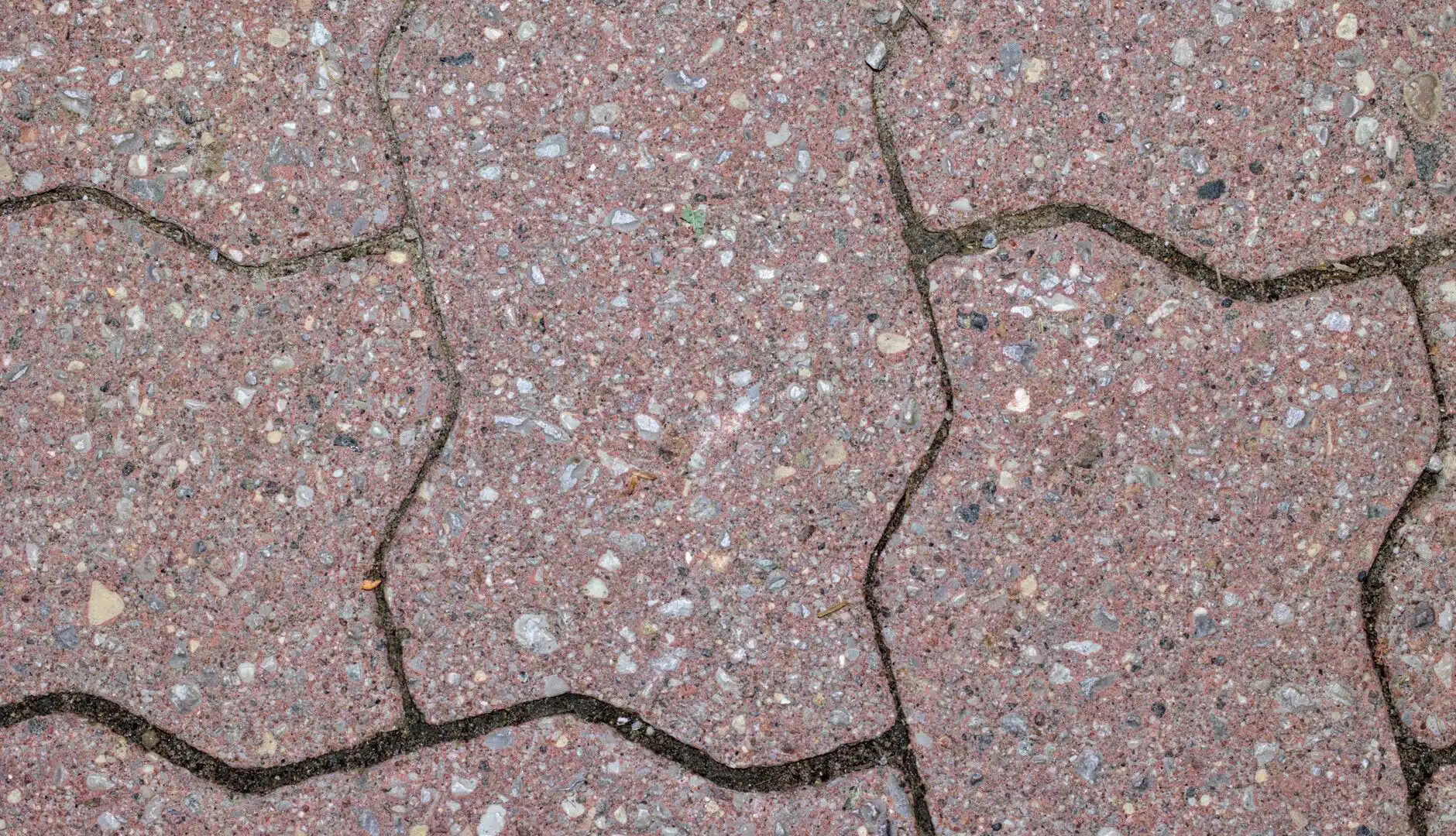
Concrete pavers are the most common choice in the metro, and for good reason. They are dense, strong, and made in a huge range of shapes, colors, and textures. Because they are individual units set on a flexible base, they ride our soft alluvial delta soil far better than a poured slab. When the ground shifts after a wet season, we lift the affected pavers, reset the base, and drop them back in. No demolition, no patchwork.
The one thing to watch with concrete is color. Cheaper pavers are dyed only on the surface and can fade under our strong UV. Higher-grade pavers carry the color all the way through the unit, so a chip or years of sun do not leave a pale spot. We steer clients toward through-body color and a sealer that locks the tone in.
Clay brick: color that never fades
Fired clay brick gets its color from the clay and the kiln, not from a dye. That color is permanent. Decades of Louisiana sun will not fade a true clay paver, which is why so many historic New Orleans courtyards and walkways still look right. Clay is dense and low in absorption, so it handles humidity and heavy rain well, and a sand-set clay surface drains and breathes.
Clay brick comes in fewer shapes and a tighter color range than concrete, mostly warm reds, browns, and the classic antique blends. If you want that timeless French Quarter look, clay is hard to beat. It pairs beautifully with our older homes.
Porcelain and large-format: modern and low-maintenance
Porcelain pavers are the newest option and the most weather-resistant of the three. They are fired dense, so water absorption is near zero, which matters a lot in our humidity and rain. Porcelain does not fade, does not stain easily, and resists algae and mildew, the green film that loves our damp shade. Large-format porcelain gives a clean, modern look with thin joints.
Two things to know. Porcelain costs more up front, and because it is so smooth, you have to choose a textured, slip-rated finish for any surface that gets wet. We only spec porcelain rated for outdoor use with a high slip-resistance value, especially around pools.
What actually matters in Louisiana
- Slip resistance: our rain and humidity mean wet surfaces are normal. We pick textured finishes and check the slip rating for pool decks, steps, and shaded paths that stay damp.
- Color retention: through-body concrete, fired clay, and porcelain all hold color under strong UV. Surface-dyed pavers are the ones that fade.
- Water and humidity: low-absorption units and proper joints resist mildew and shed water fast after our heavy rains.
- Drainage first: no paver survives standing water under it. The base and grading matter more than the material.
Sealing makes the difference
Whatever material you choose, a quality sealer is what keeps it looking new in our climate. Sealer guards against UV fading on concrete, blocks stains, slows mildew growth, and locks the jointing sand in place so the surface stays tight through heavy rain. We walk every client through the right product and timing for their pavers. You can read more on our paver sealing page.
Serving the New Orleans metro
We design and install pavers in New Orleans, Metairie, Kenner, River Ridge, Slidell, Covington, Mandeville, Madisonville, and Abita Springs. If you are weighing materials for a new patio, our paver patios page shows how we build for our ground, and you can always get in touch for a written scope and honest material advice.
Do I need freeze-resistant pavers in Louisiana?
The repeated freeze-thaw cycles that crack hardscape up north are rare across the metro, though the zone 9a Northshore gets colder snaps than zone 9b New Orleans, and a hard freeze can still nick a fully soaked, high-absorption paver. We favor dense, low-absorption units and good drainage for that reason, and because humidity, heat, heavy rain, and UV are the real day-to-day tests here.
Which paver holds its color best in our sun?
Fired clay brick and porcelain never fade because their color is baked in, not dyed on. For concrete, choose through-body color so a chip or years of UV will not leave a pale spot. Sealing helps all three hold their tone.
What is the most slip-resistant paver for a pool deck?
A textured concrete paver or a slip-rated outdoor porcelain both work well around pools. We check the slip-resistance value and avoid smooth, polished finishes anywhere that stays wet, since our humidity keeps shaded surfaces damp.
Are porcelain pavers worth the extra cost here?
If you want near-zero water absorption, strong stain and mildew resistance, and a modern large-format look, porcelain earns its price in our humid climate. For most yards, a quality through-body concrete paver gives the best balance of cost, durability, and repairability.
Keep reading
More from the blog
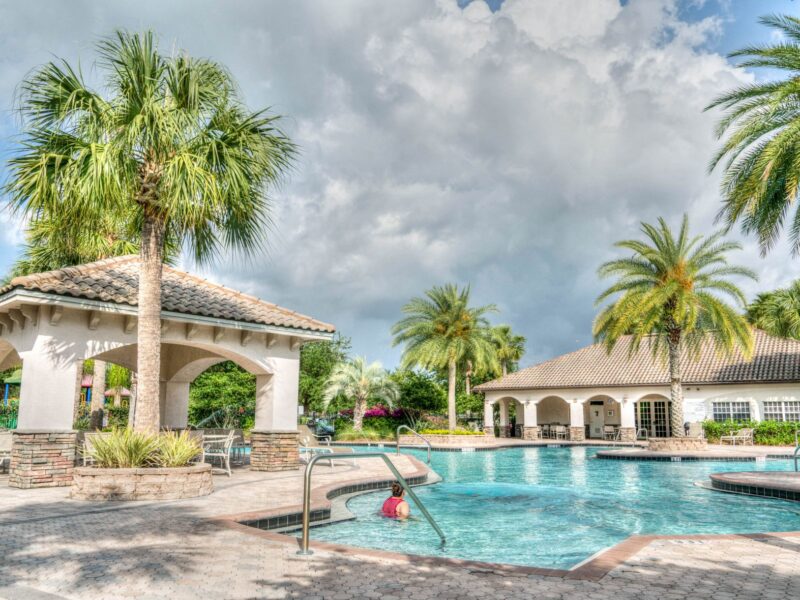
Paver Pool Decks: Cooler, Safer, and Slip-Resistant
Pavers beat poured concrete around New Orleans pools: cooler underfoot, grippy when wet, fast to drain, and easy…
Read more
Burn Bans and Backyard Fire Pits in Covington and St. Tammany Parish
Does a Louisiana or St. Tammany burn ban cover your Covington fire pit? How bans work, where gas…
Read more
Oak Roots Lifting a Driveway in River Ridge: Repair Without Harming the Tree
When oak roots push up a driveway or walk in River Ridge, repair options that bring the surface…
Read more