
Maintenance
How to Seal Pavers in the New Orleans Climate
Sealing pavers in New Orleans humidity comes down to timing and moisture, not just product. When to seal, which sealer fits, and what to avoid.
Written by Big Easy Paver Patios
Key Takeaways
- Sealing is optional. It helps with stain resistance, joint sand stability, and color, and it does nothing for a bad base.
- Moisture is the constraint here. Sealing pavers that are not fully dry is the main cause of the hazy white blush homeowners end up hating.
- New pavers usually need a waiting period so efflorescence can work its way out first.
- Joint stabilizing sealers lock the sand in place, which is useful in a climate with this much wind-driven rain.
- Big Easy Paver Patios seals and maintains paver surfaces across the metro. Call (504) 688-4244.
Do You Need to Seal at All?
Quick Answer: No, sealing is not required. Unsealed pavers perform fine structurally, since the base and the interlock carry the load, not the sealer. What sealing buys you is easier stain cleanup, better joint sand retention, and a color boost. In the New Orleans area it’s genuinely useful on driveways, outdoor kitchen surfaces, and pool decks. It’s a preference elsewhere.
Where sealing goes wrong is timing and moisture, not product choice, and that’s a bigger deal here than in a dry climate.
What Sealing Actually Does
- Stain resistance. Oil, grease, food, and leaf tannin sit on the surface longer instead of soaking in. This is the strongest argument on a driveway or under a grill.
- Joint sand stability. A joint stabilizing sealer binds the surface of the joint sand so heavy rain doesn’t wash it out. Given how hard it rains here, this matters.
- Color. Wet-look sealers deepen color noticeably. Matte finishes look closer to natural.
- Slightly easier cleaning of the organic growth our shade and humidity encourage.
What It Does Not Do
It doesn’t stop settling, doesn’t fix drainage, and doesn’t prevent weeds entirely, though it does make joints less hospitable. If your patio is sinking, sealing it is money spent on the wrong problem. See paver repair and releveling.
The Moisture Problem
This is the section that matters most locally. Sealer needs a dry surface and a dry joint. Apply it over trapped moisture and the moisture can’t escape, which produces a cloudy white haze in the sealer film. Removing that means stripping the sealer, which is unpleasant work.
Conditions across the New Orleans metro make this easy to get wrong:
- High humidity slows drying, so a surface that looks dry may not be.
- Afternoon thunderstorms in summer can arrive mid-cure.
- A high water table and shaded yards keep some patios damp underneath long after the top looks fine.
- Heavy dew can wet a surface overnight before the sealer has cured.
Practical rule: give the surface several genuinely dry days beforehand, check the forecast for a clear window after application, and don’t seal in the heat of the day when the surface temperature is extreme.
Summer afternoon thunderstorms are common here, and hurricane season runs June 1 to November 30, so plan a sealing job for a stretch of dry, mild days and keep an eye on the tropics before you book it.
New Pavers: Wait
New concrete pavers release efflorescence, a whitish mineral haze that migrates to the surface as they cure. It’s normal and it works itself out over time with weather and washing.
Seal too early and you lock it under the film. Manufacturers publish waiting periods, and the common guidance is to allow a period of months rather than weeks before sealing new work. Ask the specific paver manufacturer rather than assuming, and let the surface go through some rain first.
Sealer Types
Film-Forming
Sits on the surface, gives the wet look and gloss, and offers strong stain resistance. It’s also the type most vulnerable to the moisture haze described above, and it will need stripping and reapplication eventually.
Penetrating
Soaks in and leaves little or no surface film, so appearance changes minimally. More forgiving about moisture, less dramatic in effect, and it doesn’t give the color pop some people want.
Joint Stabilizing
Binds joint sand while sealing the paver. This is the one we most often recommend on metro patios and driveways, because joint washout after heavy rain is a genuine recurring problem here. It pairs well with polymeric sand.
Before You Seal
- Clean the surface thoroughly and let organic growth be dealt with properly, not just rinsed.
- Address weeds in the joints first. See keeping weeds out of pavers.
- Re-sand joints if sand has washed out.
- Fix any settling first. Sealing a dip preserves the dip.
- Wait for a dry stretch and a clear forecast.
How Often
Reapplication intervals vary by sealer type, traffic, and sun exposure. Our UV load and rainfall shorten the interval compared with milder climates, and driveways need it sooner than shaded patios. Watch for the surface no longer beading water and stains starting to hold, which is the practical signal.
Frequently Asked Questions
Will sealing stop weeds?
It helps by stabilizing joint sand and reducing where seeds can lodge. It isn’t a herbicide and it won’t stop everything.
Can I seal a paver pool deck?
Yes, with attention to slip resistance. Glossy film-forming sealers can get slick when wet, so ask about additives or choose a matte or penetrating product. See our paver pool deck guide and pool deck service.
My pavers look hazy after sealing. What happened?
Almost always moisture trapped under the film. Correcting it usually means stripping and resealing under proper conditions.
Is sealing worth it on a driveway?
It’s the strongest case, because of vehicle fluids and tire marks. See paver driveway cost and options.
Does sealing help with hurricane season?
Not for wind. Joint stabilization does help joints survive heavy rain events. Our post on hurricane-resistant hardscape covers the storm side.
Have It Done in the Right Window
We’ll assess whether your surface is a good candidate, handle cleaning and re-sanding first, and schedule application around an actual dry stretch rather than the calendar.
Big Easy Paver Patios serves Metairie, Covington, and the rest of the metro and Northshore. See paver sealing, all services, or call (504) 688-4244.
Keep reading
More from the blog
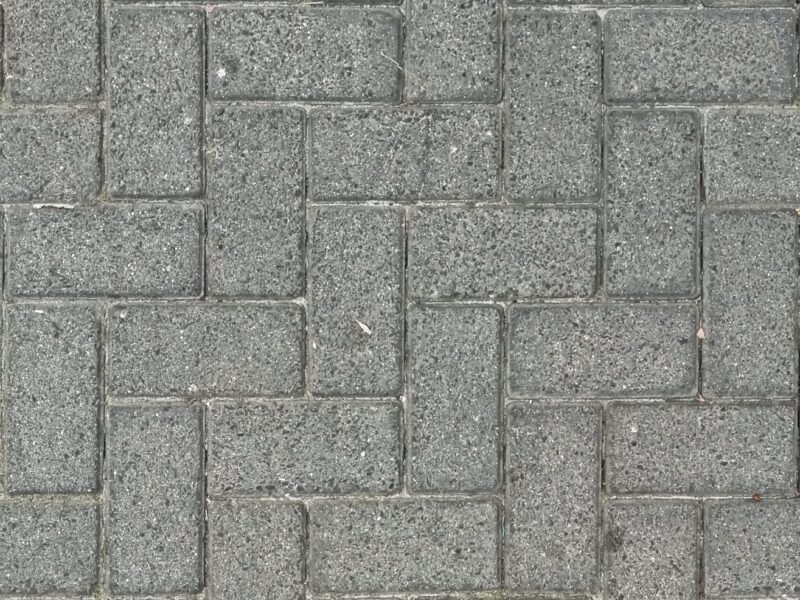
Herringbone vs Running Bond: Choosing a Paver Pattern
Herringbone, running bond, basketweave, or ashlar: which paver pattern fits a New Orleans project, from load-bearing driveways to…
Read more
How to Fix a Backyard That Floods in New Orleans
New Orleans yards flood because the ground sits low, drains slow, and rain comes hard. Here is how…
Read more
How to Keep Weeds Out of Paver Joints
Weeds and ants in paver joints come from loose sand and trapped moisture. How New Orleans homeowners keep…
Read more