
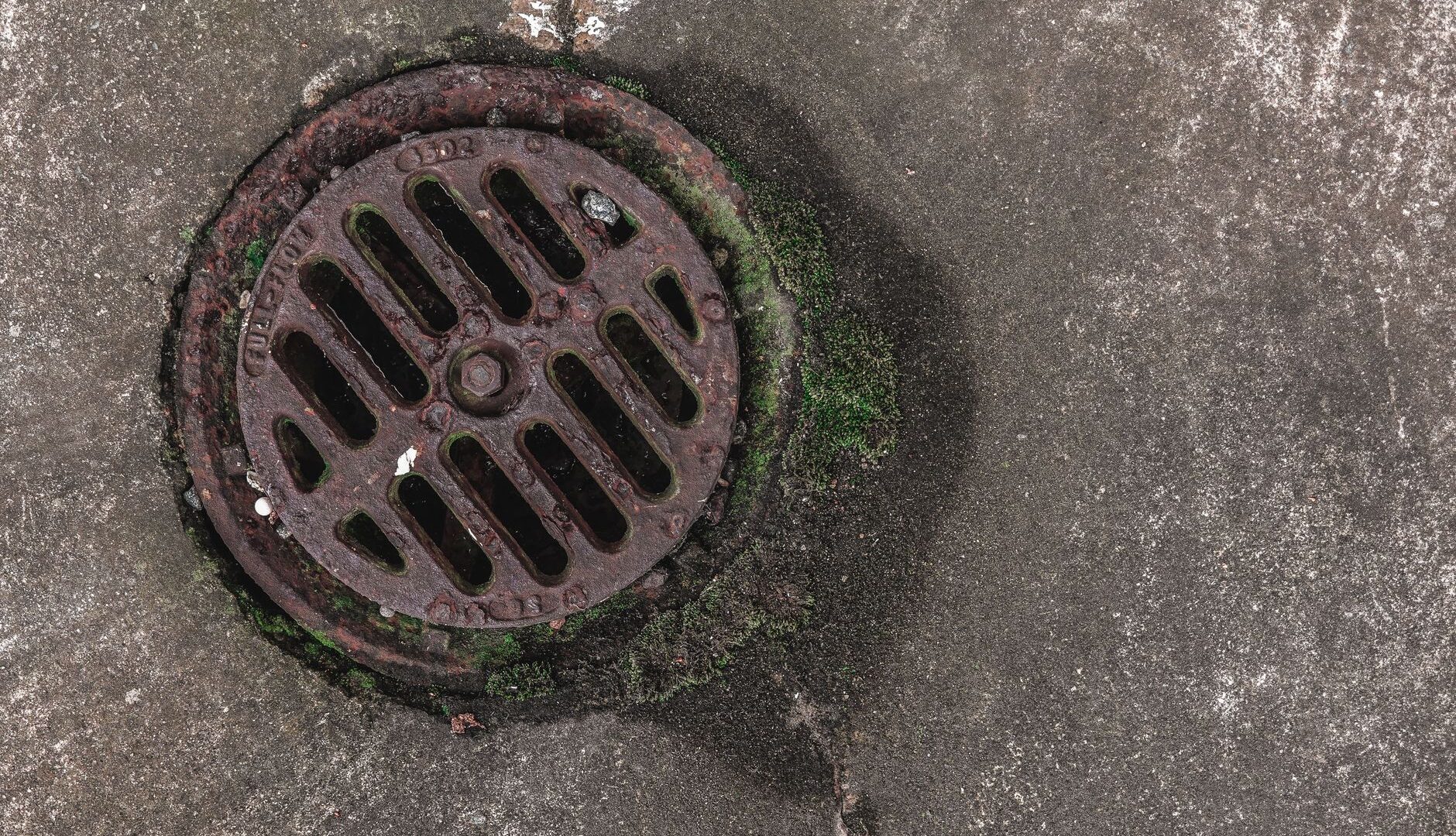
Local & Climate
How to Fix a Backyard That Floods in New Orleans
New Orleans yards flood because the ground sits low, drains slow, and rain comes hard. Here is how grading, French drains, and the right paver choices move water off your property.
If your backyard turns into a pond after a New Orleans downpour, the fix almost always comes down to one thing: water has nowhere to go. Three local realities stack against you. Our metro sits low and flat, so there is little natural slope to carry runoff away. Our ground is soft alluvial delta soil sitting over a high water table, so once the top few inches saturate, water has no room to soak in. And our rain arrives in heavy, fast bursts from June through November that overwhelm slow-draining yards in minutes. The good news: every one of those problems has a proven hardscape fix.

Why metro yards flood in the first place
Before you spend a dollar, it helps to know what you are fighting. Standing water in a New Orleans yard usually traces back to a mix of these:
- Flat lots with no slope. Water needs a fall of about 1 inch per 4 feet to move on its own. Many local yards are dead level or pitch toward the house.
- A high water table. Delta soil stays damp, so the ground has little spare capacity to absorb a hard rain.
- Soft, slow soil. Alluvial soil compacts and seals over time, which slows how fast water can percolate down.
- Heavy, concentrated rain. A typical summer storm here can drop 2 to 4 inches in an hour, far more than a saturated yard can handle.
Diagnose which of these applies to your yard, then match the fix to the cause.
The fixes that actually work here
There is no single magic drain. The right answer is usually a combination, sized to how much water you move and where it needs to end up.
Re-grading and surface slope
The cheapest and most important fix is shaping the ground so water runs away from the house and toward a drain or the street. We aim for a consistent fall of at least 1 inch per 4 feet for the first 10 feet off the foundation. On a flat lot this often means importing soil to build the high side. Grading alone solves a surprising number of yards.
French drains
A French drain is a gravel-filled trench with a perforated pipe that collects groundwater and carries it to a lower discharge point. It is the workhorse for soggy, saturated soil and for moving water along a property line. In our high-water-table ground we wrap the pipe in fabric so silt does not clog it and we make sure it daylights or ties into a drain that actually has somewhere to go.
Channel drains
Also called trench drains, these are long, narrow grated drains set flush with a paver patio, driveway, or pool deck. They catch sheeting water across a hard surface before it reaches your door. We build them into hardscape so the patio sheds water instead of pooling on it.
Permeable pavers
Permeable pavers use wide, open joints filled with small stone so rain drains straight through the surface into a stone reservoir below instead of running off. On the right soil they cut runoff dramatically and reduce the load on every other drain. In our delta soil we pair them with an underdrain so the reservoir does not just stay full.
Dry creek beds
A dry creek bed is a shallow, stone-lined channel that carries surface water across a yard while looking like a landscape feature. It is a good fit when you want to direct a lot of runoff without a buried pipe, and it doubles as a design element rather than a grate.
How we approach a flooded yard
Drainage is the part of hardscape most companies skip, and it is exactly where we start. Our process looks like this:
- Walk the yard during or right after a rain to see where water collects and which way it flows.
- Check the grade off the foundation and find the lowest practical discharge point.
- Pick the smallest combination of fixes that solves it: grade first, then add drains only where grade cannot finish the job.
- Build drainage into any new patio from day one, so the hardscape sheds water instead of trapping it.
Pairs well with
Drainage rarely travels alone. If your yard floods, it is worth solving it as part of a larger plan. Our drainage and grading service handles the water side, and a retaining wall often does double duty by holding back a slope and creating a clean spot for a drain to run behind. When you are ready to map it out, get in touch for a written scope.
Serving the New Orleans metro
We fix flooded yards across New Orleans, Metairie, Kenner, River Ridge, Slidell, Covington, Mandeville, Madisonville, and Abita Springs. Soil and slope vary from the lakefront to the north shore, so we size every drainage plan to the specific lot.
Why does my yard flood when my neighbor’s does not?
Usually it is grade. Even a few inches of difference in slope, or a yard that pitches toward the house instead of away from it, decides where water pools. A low spot, a compacted lawn, or a blocked existing drain can also concentrate runoff on your side of the fence.
Will a French drain work in New Orleans soil?
Yes, with two adjustments. We wrap the pipe in filter fabric so our silty delta soil does not clog it, and we make sure it discharges to a point that is actually lower than the drain, since our high water table means water will not simply soak away on its own.
Do permeable pavers really drain in a high water table?
They drain far better than solid paving, but in saturated ground the stone reservoir under them can fill. We pair permeable pavers with an underdrain so the reservoir empties to a lower outlet, which keeps the surface dry even after a hard storm.
Do I need a permit for backyard drainage work?
It depends on the scope and your parish. Permit rules and fees vary across Orleans, Jefferson, and St. Tammany, so check with your local permit office. We handle the permitting on the projects we build so the rules are covered before we dig.
Keep reading
More from the blog

Burn Bans and Backyard Fire Pits in Covington and St. Tammany Parish
Does a Louisiana or St. Tammany burn ban cover your Covington fire pit? How bans work, where gas…
Read more
Sunken and Settled Pavers in New Orleans: Why It Happens
Dips in a New Orleans area paver patio usually trace to the base or to water, not the…
Read more
Paver Driveway Cost and Options in New Orleans
What a paver driveway costs in the New Orleans metro, which pavers handle vehicle loads, and why base…
Read more