
Paver Guides
Herringbone vs Running Bond: Choosing a Paver Pattern
Herringbone, running bond, basketweave, or ashlar: which paver pattern fits a New Orleans project, from load-bearing driveways to courtyards.
If you want the short answer: herringbone is the strongest pattern and the right call for driveways and anything that carries vehicle weight, while running bond is the cleaner, lower-waste look for patios and walkways. Basketweave gives you an old-courtyard character, and ashlar reads modern and formal. On soft New Orleans delta soil with our high water table, the pattern you pick is not just a style choice; it changes how well the surface locks together and rides ground movement. Here is how the four most common patterns compare on strength, look, waste, and where each one belongs.

Why the pattern matters on our ground
A paver surface holds together through interlock, the way each unit braces against its neighbors so the field can’t spread under load. We build on soft alluvial delta soil that shifts with our heavy rain and high water table, so the more a pattern resists creep, the longer the surface stays tight and level. That’s why pattern choice isn’t cosmetic here. The right one keeps a driveway from rutting under tires and keeps a patio from drifting at the edges. The wrong one looks fine on day one and loosens over a few wet seasons.
The four common patterns compared
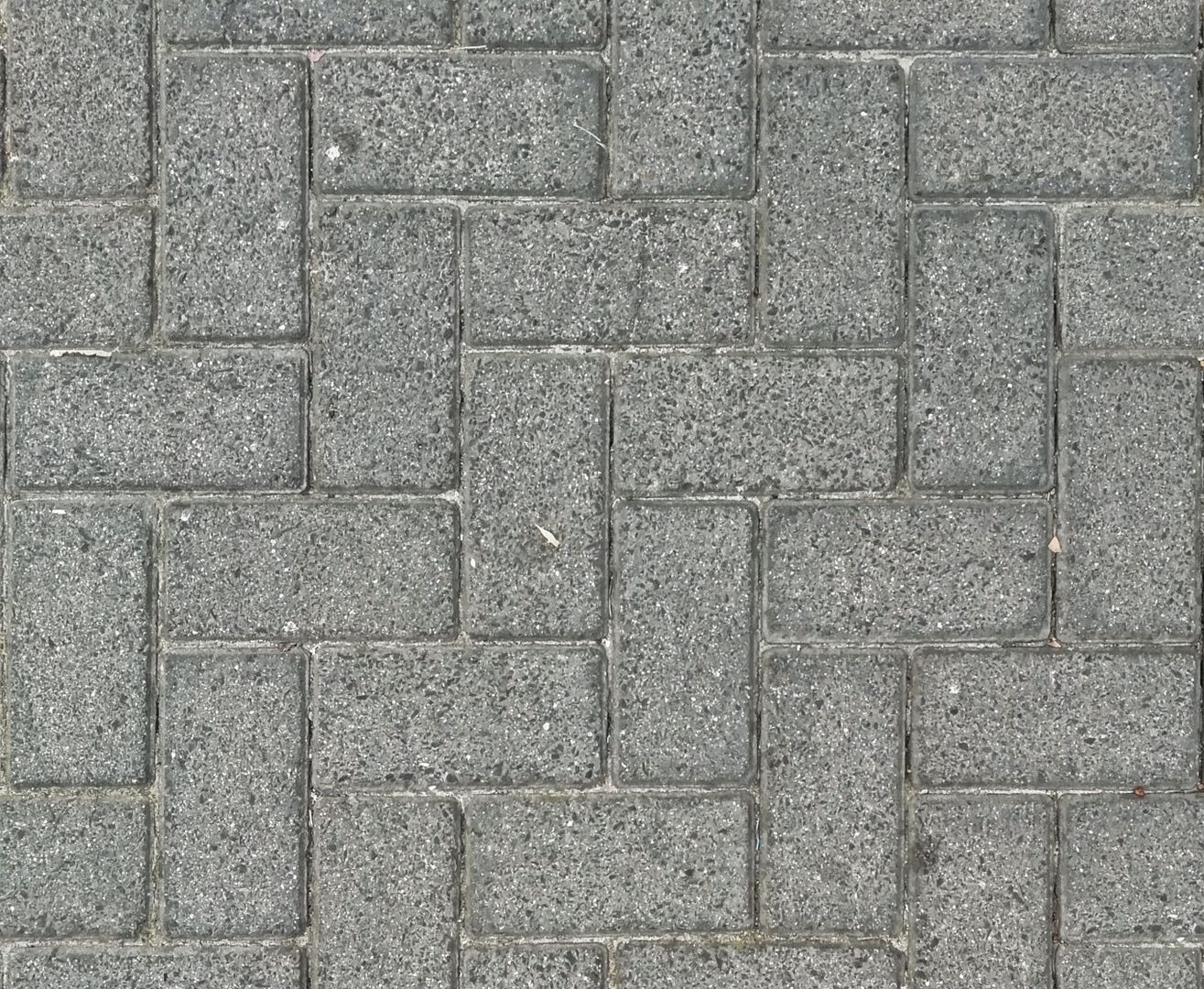
- Herringbone: pavers set at 45 or 90 degrees in a tight zigzag. The strongest interlock of any pattern, because the angles lock units against rotation and sideways creep. Best for driveways, parking pads, and anything carrying rolling vehicle loads. Cutting the perimeter angles creates moderate waste.
- Running bond: straight rows with each course offset by half a paver, like a brick wall laid flat. Simple, fast, and the lowest-waste layout because most cuts are clean straight ones. Strong enough for patios, walkways, and pool decks, but not the first pick under vehicle weight. A timeless, understated look.
- Basketweave: pairs of pavers alternating horizontal and vertical to mimic woven fabric. Low waste and full of old-New Orleans courtyard character, but the weakest interlock of the four. Best for foot-traffic areas: courtyards, garden paths, and patios, not driveways.
- Ashlar: a planned mix of different paver sizes fit together with offset joints for a clean, formal, modern look. Waste runs higher because the layout needs specific size ratios and careful planning. Great for upscale patios and entries where appearance leads.
Which pattern for which project
Match the pattern to the load and the look:
- Driveways and load: herringbone, every time. The interlock is what stops tires from rutting and shoving the field.
- Patios and pool decks: running bond for clean and simple, ashlar for a high-end formal feel, basketweave for courtyard charm.
- Walkways and pathways: running bond or herringbone; both stay tight underfoot and shed water well.
- Historic courtyards: basketweave or running bond in clay brick to match the period.
What about waste and cost
Pattern affects how many pavers you cut and toss. Running bond and basketweave waste the least because most cuts are straight. Herringbone wastes a bit more from the angled perimeter cuts, and ashlar wastes the most because it needs specific size combinations. More cutting means more labor and material, so a busy pattern in a small space can add cost. We factor all of that into a written scope up front, so the price you see holds and there are no surprises when the pallets arrive.
How we use this on your project
We pick the pattern with you based on where it goes and what it carries, then build it on a deep compacted base sized for our soft soil, with locked edge restraints and polymeric joint sand so the interlock actually does its job. Whatever pattern you choose, the surface stays repairable: a settled spot or a stained paver lifts and resets instead of forcing the teardown a cracked slab would. See it in action on our paver patios, on a walkway or pathway, or on a load-rated herringbone paver driveway. When you’re ready to plan one, get in touch for a written scope and a price that holds.
Serving the New Orleans metro
We lay every pattern across the New Orleans metro: New Orleans, Metairie, Kenner, River Ridge, Slidell, Covington, Mandeville, Madisonville, and Abita Springs.
Is herringbone really stronger than running bond?
Yes. The 45 or 90 degree angles in herringbone brace each paver against rotation and sideways creep far better than the straight offset rows of running bond. That’s why herringbone is the standard for driveways and any surface carrying vehicle weight.
Which pattern is cheapest to install?
Running bond, usually. Its straight rows mean fewer and simpler cuts, so less labor and less wasted material. Basketweave is close behind. Herringbone and ashlar cost a little more because of the angled or mixed-size cutting.
Can I mix patterns in one project?
Absolutely, and it often looks great. A common move is a running bond or ashlar field with a herringbone or banded border to frame it. We plan the transitions so the joints line up and the edges stay locked.
Does the pattern affect drainage?
Not much on its own; drainage comes from the surface pitch, the joint sand, and the base we build under it. Any of these patterns drains well when it’s pitched right. The pattern is about strength and looks, and we set the slope separately to carry water off and away from the house.
Keep reading
More from the blog
Do You Need a Permit for a Patio in New Orleans?
Whether your New Orleans paver patio needs a permit depends on your parish and what you build. Here…
Read more
Pavers vs Concrete for New Orleans Patios: Which Lasts Longer
Pavers outlast concrete on New Orleans soil because they flex with our soft delta ground and lift and…
Read more
The Best Pavers for the Louisiana Climate
The best pavers for the Louisiana climate: dense concrete, fired clay brick, and porcelain, picked for New Orleans…
Read more