
Paver Guides
Pavers vs Concrete for New Orleans Patios: Which Lasts Longer
Pavers outlast concrete on New Orleans soil because they flex with our soft delta ground and lift and reset when something shifts. Here is the honest cracking, drainage, repair, and cost comparison.
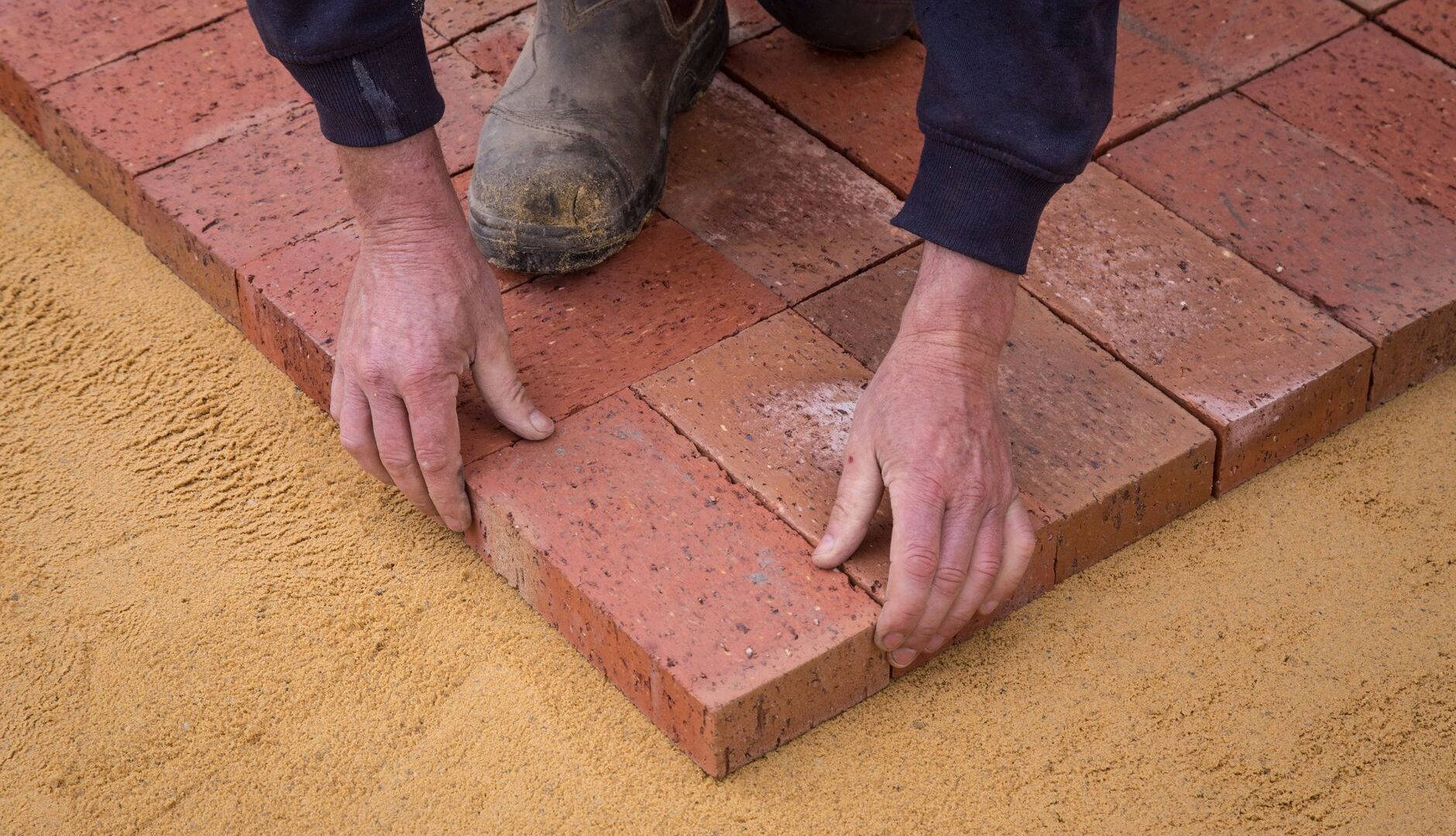
For a New Orleans patio, pavers last longer than concrete, and the reason is the ground under your feet. We sit on soft alluvial delta soil with a high water table, so the earth moves with every wet season and dry spell. Pavers are dozens of small interlocking units set on a flexible base, so they ride that movement and you can lift and reset them. A concrete slab is one rigid piece, and when the ground shifts under it, it has nowhere to go but crack. That single difference drives almost everything below.

Cracking: rigid slab vs flexible field
Concrete cracks here. It is not a question of if, it is when. Our soil swells when it soaks up heavy rain and settles as it dries, and a poured slab cannot bend with that. Control joints help guide where cracks form, but they do not stop the slab from splitting once the base moves. Once a slab cracks, the only real fix is to break it out and pour again.
Pavers handle the same ground movement very differently. Each unit settles or rises a little on its own, and the joints between them absorb the stress instead of one big surface taking it all. If a section ever heaves or dips, we pull those pavers, fix the base, and put the same units back. No demolition, no fresh pour, no mismatched patch.
Drainage in a city that floods
We get heat, humidity, and serious rain, and hurricane season runs June to November. A solid concrete slab sheds all that water across its surface, so it has to be pitched perfectly or it pools and pushes runoff toward your slab or foundation. Pavers let water move through the joints and the open base below, which eases the load on the surface during a hard downpour. Permeable paver systems take that further and let rain soak down through the joints on purpose, which is a real advantage on a lot that sits low.
Repair: the part that pays off
This is where the gap is widest. Crack a paver, stain one, or need to reach a pipe underneath, and we lift the affected units and drop them back. The repair is invisible because the rest of the patio is untouched. With concrete, a crack or a stain means a patch that never matches or a full tear-out. Pavers are repairable by design, and that is the whole point on ground that never stops moving.
Cost over time
Concrete usually costs less to pour on day one. Over the life of the patio, the math flips. A slab that cracks in a few years turns into repair bills or a full replacement, and each fix shows. A paver patio costs more up front, lasts decades, and any repair restores it to like-new instead of leaving a scar. You are paying once for something that stays fixable, not paying again every time the ground reminds you it is alluvial delta.
- Concrete: lower install price, higher lifetime cost once cracks and patches add up.
- Pavers: higher install price, lower lifetime cost because you repair instead of replace.
- Resale and looks: pavers hold their finished look; cracked, patched concrete drags curb appeal down.
Looks and feel
Pavers give you color, pattern, and texture that a gray slab cannot match. You can lay borders, soldier courses, and curves that frame a yard, and the joints break up heat so the surface reads softer underfoot. A concrete slab is one flat plane, and stamped concrete still cracks like any other slab once our soil moves.
Pairs well with
If you have decided pavers are the right call, see our paver patios service for how we build the base and set the joints. Already have pavers that have shifted on our soft ground? Our paver repair and releveling service lifts, resets, and relevels them without a tear-out. When you are ready for a written scope and a price that holds, contact us.
Serving the New Orleans metro
We build and repair paver patios across New Orleans, Metairie, Kenner, River Ridge, Slidell, Covington, Mandeville, Madisonville, and Abita Springs. The soil and the rain are the same story everywhere here, and pavers answer it on every one of those lots.
Do pavers really crack less than concrete in New Orleans?
Yes. Concrete is one rigid slab, so when our soft delta soil swells and settles, the slab cracks. Pavers are individual units with flexible joints, so they move with the ground instead of fighting it. Individual pavers can chip, but we swap a single unit instead of patching a whole slab.
Are pavers worth the higher cost over concrete?
Over the life of the patio, usually yes. Concrete costs less to pour at first, but a cracked slab means repairs or a full replacement. Pavers cost more up front and stay repairable for decades, so you spend once instead of paying again every few years.
Which drains better in heavy rain, pavers or concrete?
Pavers. Water moves through the joints and the open base below, which eases pooling during the downpours we get from June to November. A concrete slab sheds all the water across its surface and has to be pitched perfectly or it pools and pushes runoff toward your foundation. Permeable pavers let rain soak straight through.
Can a cracked concrete patio be replaced with pavers?
Yes, and it is common here. We remove the old slab, build a proper flexible base for our soil, and set pavers that ride the ground movement that broke the concrete. You can reach us through our contact page to scope it.
Keep reading
More from the blog

Backyard Patio Ideas for New Orleans Homes
Patio ideas that suit small metro lots, shaded oak yards and flood-prone ground. Layout, material and drainage ideas…
Read more
Which Permeable Pavers Are Best for Flood-Prone New Orleans Homes in 2026?
Flood-prone New Orleans homes need pavers that move water, not trap it. Compare the best permeable paver types…
Read more
Paving a Courtyard in the French Quarter and Other New Orleans Historic Districts
Brick or flagstone courtyard in the French Quarter or another New Orleans historic district? What VCC or HDLC…
Read more