
Paver Guides
Paver Pool Decks: Cooler, Safer, and Slip-Resistant
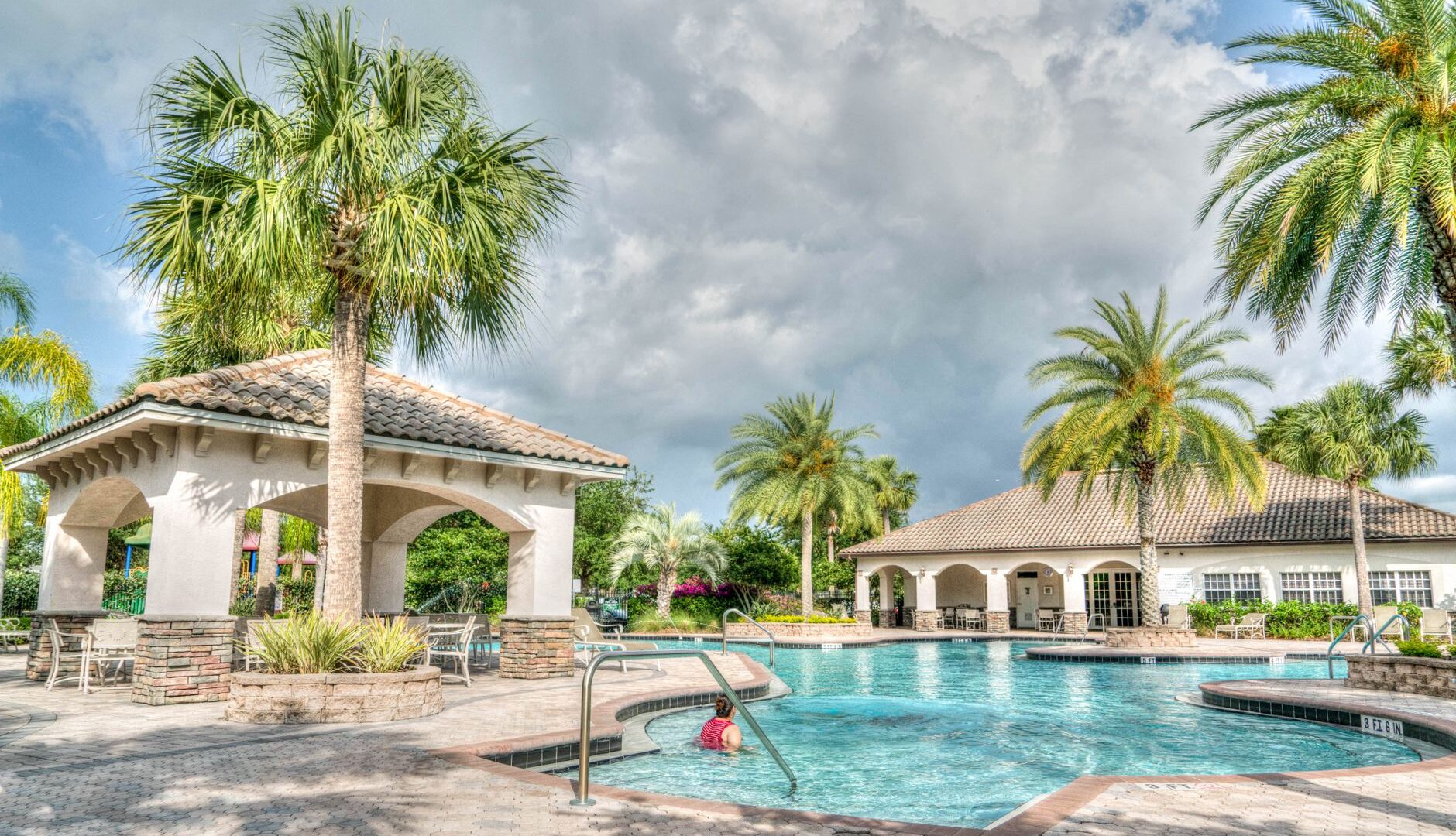
Pavers beat poured concrete around New Orleans pools: cooler underfoot, grippy when wet, fast to drain, and easy to reset when the ground shifts.
If you’re picking a surface for a New Orleans pool deck, pavers beat poured concrete on the things that matter most around water: they run cooler under bare feet, grip better when wet, drain fast in our heavy rain, and they lift and reset instead of cracking when the ground moves. Concrete does none of that well, and on our soft delta ground it tends to crack and trip-edge within a few seasons. Here’s how a paver pool deck holds up in our heat and humidity, and the paver and coping options worth knowing before you build.

Why pavers beat poured concrete around a pool
A pool deck takes a beating that a patio never sees: standing water, constant wet feet, splash-out, and full sun from spring through fall. Pavers handle all four better than a concrete slab.
- Cooler underfoot. Concrete soaks up heat and radiates it back. Lighter-colored pavers and the small joints between them shed heat faster, so the deck stays more comfortable on a 95-degree August afternoon.
- Slip-resistant when wet. Textured paver surfaces and the jointed pattern give bare feet grip that a smooth troweled slab can’t, which matters most right at the pool edge.
- Real drainage. Water runs through the open joints and into the base instead of pooling on top. In a city that can get inches of rain in an hour, that keeps the deck usable and cuts down on slick spots.
- Repairable by design. When our alluvial soil settles or a tree root lifts a corner, we pull the affected pavers, fix the base, and reset the same units. A cracked concrete slab means a saw, a jackhammer, and a color-mismatched patch.
How we build a paver pool deck
The deck is only as good as what’s under it. Around a pool, with a high water table and heavy rain, the base does the heavy lifting.
- We excavate to the depth the soil calls for and compact a deep, well-graded crushed-stone base so the deck stays level as the ground moves.
- We pitch the surface to drain away from the pool and the house, and tie it into the yard so water has somewhere to go.
- We set the field pavers on a leveling layer, then lock the perimeter with a hidden edge restraint so nothing creeps over time.
- We finish with polymeric sand swept into the joints to lock the pattern, slow weed growth, and hold up to splash-out.
Paver and coping options
The coping is the capped edge that frames the pool and gives you a comfortable place to sit, climb out, and grab. Getting it right is half the look and most of the safety.
- Bullnose coping with a rounded front edge is the classic, easy on the backs of knees and hands at the waterline.
- Tumbled or textured pavers for the field add grip and a softer, hand-finished look that hides everyday wear.
- Large-format slabs read clean and modern with fewer joints, while smaller pavers give a more traditional, intricate pattern.
- Lighter colors stay cooler and read bright; we’ll walk you through samples in your own light before anything is set.
Pairs well with
A pool deck rarely lives alone. We design it to flow into the rest of the yard so the whole space works together. See our pool deck work, connect it to a matching paver patio for lounging and dining, and when you’re ready for a written scope with the price held, get in touch.
Serving the New Orleans metro
We build paver pool decks across the metro, including New Orleans, Metairie, Kenner, River Ridge, Slidell, Covington, Mandeville, Madisonville, and Abita Springs.
Are paver pool decks really cooler than concrete?
Yes. Lighter-colored pavers and the open joints between them shed heat faster than a solid concrete slab, so the surface stays more comfortable for bare feet through our long, hot summers.
Will a paver deck shift on New Orleans soil?
Our soft alluvial delta soil does move, which is exactly why pavers win. A deep compacted base keeps the deck level, and if a section does settle we lift those pavers, correct the base, and reset them. A concrete slab just cracks.
How do pavers handle chlorine and splash-out?
Quality concrete pavers stand up to chlorine and constant wetting, and the polymeric sand in the joints holds the pattern against splash-out. Any sealing is straightforward, and individual pavers can be swapped if one ever stains or chips.
Do I need a permit for a pool deck?
It depends on the scope and your parish. Permit rules and fees vary across Orleans, Jefferson, and St. Tammany, so we check the local office for your address and handle the paperwork as part of the written scope.
Keep reading
More from the blog
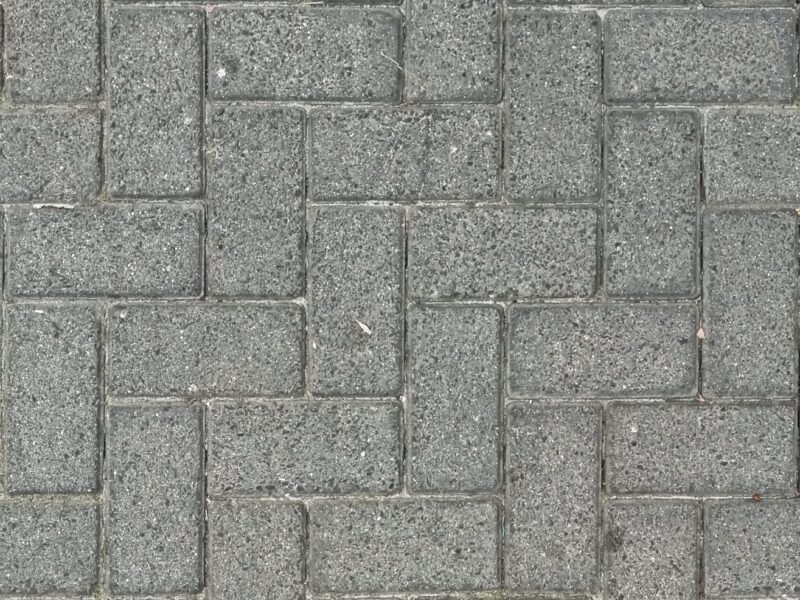
Herringbone vs Running Bond: Choosing a Paver Pattern
Herringbone, running bond, basketweave, or ashlar: which paver pattern fits a New Orleans project, from load-bearing driveways to…
Read more
Cracked Concrete Driveways and Patios in the New Orleans Metro: Resurface or Replace?
Cracked or sinking concrete on New Orleans delta soil? When patching or resurfacing holds up, when it fails,…
Read more
Hardscaping in New Orleans: Planning a Whole Backyard
Plan a whole New Orleans area backyard once, then build in phases. How to sequence drainage, hardscape, and…
Read more