
Paver Guides
What Is Hardscaping? A Metairie Homeowner’s Guide
What hardscaping means, how it differs from softscaping, and why base and drainage matter most on soft Metairie ground. A plain-English guide.
Written by Big Easy Paver Patios
Key Takeaways
- Hardscaping is the built, non-living part of a yard: patios, walkways, driveways, walls, steps, edging, and the drainage under them.
- Softscaping is the living part: grass, shrubs, trees, beds, and mulch. A good Metairie yard plans both together.
- On Metairie’s soft, low ground, the hidden layers of hardscape (base, slope, and where the water goes) matter more than the surface you pick.
- Most yards add hardscape in phases, so a written plan keeps each piece draining toward the same place.
- Planning a patio or walkway in Metairie? Call Big Easy Paver Patios at (504) 688-4244.
What Is Hardscaping?
Quick Answer: Hardscaping is every built, non-living element of a landscape, such as paver patios, walkways, driveways, retaining walls, steps, fire pits, and the edging and drainage that hold them together. In Metairie, it usually means turning a flat, wet backyard into usable space that still sheds water after a summer storm.
The word gets used loosely, so here’s how we use it. If you can walk on it, sit on it, park on it, or lean on it, and it isn’t alive, it’s hardscape. That covers brick and concrete pavers, natural stone, poured concrete, gravel paths, seat walls, and the outdoor kitchen counter. It also covers the parts nobody sees, such as the compacted base and the pipe that carries water away.
What Does Hardscaping Mean in Landscaping?
In landscaping, hardscape is the frame and softscape is the fill. A designer lays out the hard surfaces first because they set where people walk and where water runs. Plants come after, in the spaces the hardscape leaves open.
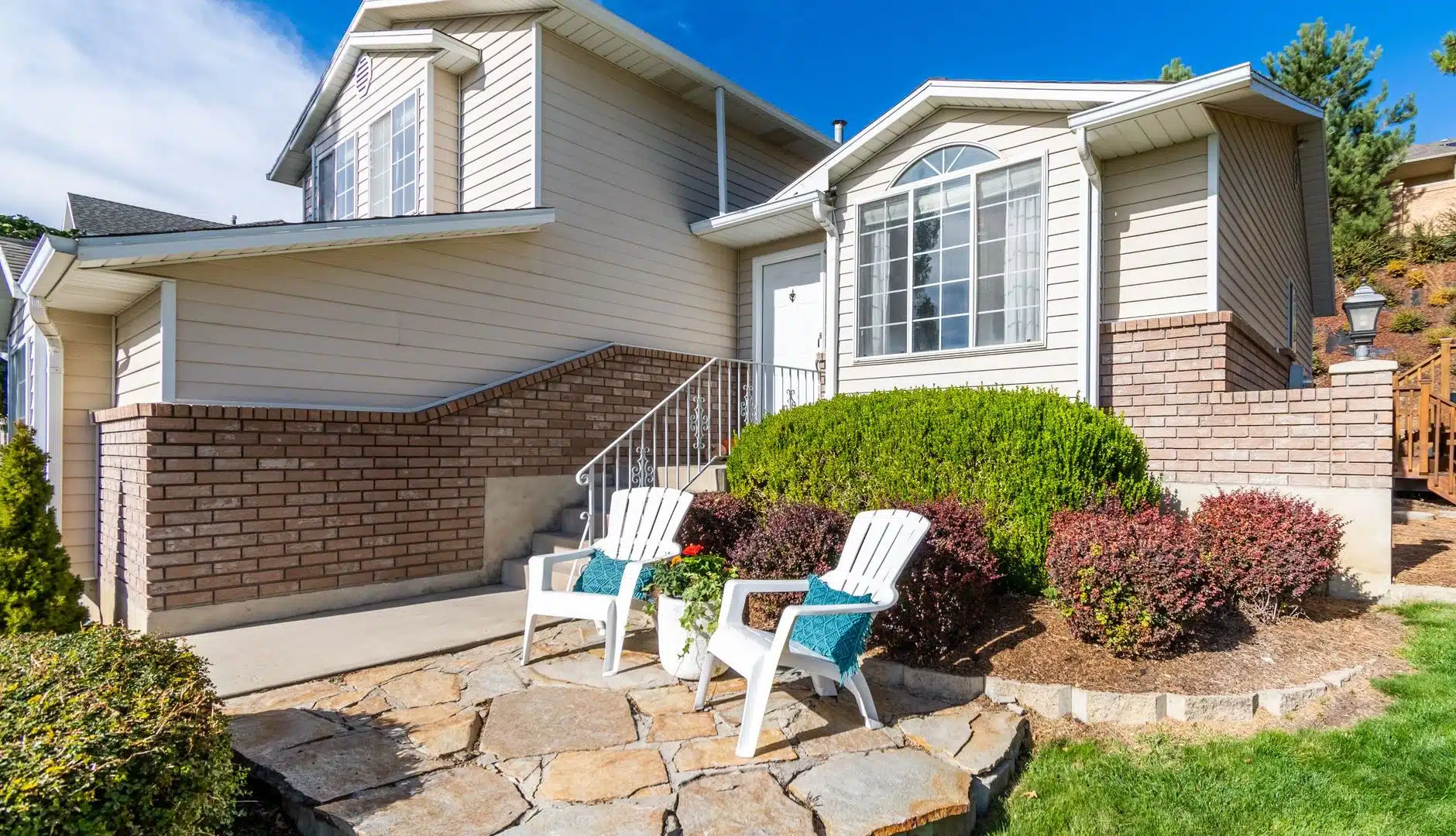
That order matters on a typical Metairie lot. Many yards here are narrow and deep, with a slab patio by the back door, a strip of grass, and a fence line under a big tree. Hardscape decisions decide how that space works:
- Circulation. A paver walkway in Metairie gives you a dry path from the driveway to the back gate.
- Gathering space. A paver patio in Metairie sets the size of your table, grill, and seating.
- Grade changes. Steps and low walls handle the drop from a raised back door to the yard.
- Water control. Slope, drains, and joint type decide where rain goes after it hits the surface.
Hardscaping vs Softscaping: What’s the Difference?
Hardscaping is built and stays put. Softscaping grows and needs regular care. Neither is better; they do different jobs, and a yard needs some of each.
Here’s how the two compare in practice:
- Materials. Hardscape uses pavers, stone, brick, concrete, and gravel. Softscape uses turf, shrubs, trees, groundcover, and mulch.
- Water. Most hard surfaces shed rain, while planted beds and lawn soak some of it in. Permeable pavers sit between the two.
- Upkeep. Hardscape needs occasional joint sand, cleaning, and sealing. Softscape needs mowing, pruning, watering, and replanting.
- Heat. Paved areas hold heat in a Metairie August, and shade trees and beds help cool the spaces around them.
We think the best yards here balance the two. A patio sized for the way you actually use it, with planting beds that catch runoff at its edges, works better than a yard paved wall to wall.

Why Does Hardscaping Work Differently on Metairie Soil?
Metairie sits on soft Mississippi River delta soil, much of it low and slow to drain, with a high water table. Ground like that settles and shifts over time. It’s the main reason we spend more of a job on what goes under the pavers than on the pavers themselves.
Three things change when you build hardscape here:
- The base does the work. A compacted aggregate base spreads weight across soft ground. Skimp on it and the surface dips where you walk or park.
- Flexible surfaces forgive movement. Interlocking pavers can be lifted and reset when the ground settles, where a poured slab tends to crack. Our post on pavers vs concrete for New Orleans patios covers that tradeoff.
- Water needs a destination. Every new hard surface sends rain somewhere. If that somewhere is your foundation or your neighbor’s yard, the job isn’t finished. See our guide to fixing a backyard that floods.
- Heavy rain is routine. Frequent afternoon storms and hurricane season mean joints, edges, and slopes get tested often.
When we walk a Metairie yard, the first thing we look for is where the water stands after rain. That spot usually tells us more about the design than any photo the homeowner has saved.
What Counts as Hardscaping in a Metairie Backyard?
Most of the projects we see in Jefferson Parish fall into a few groups:
- Surfaces you use. Patios, pool decks, courtyards, and driveways.
- Surfaces you cross. Walkways, stepping paths, and steps up to a raised door.
- Structures. Seat walls, retaining walls, fire pits, and outdoor kitchens.
- Systems. Drainage and grading in Metairie, including drains, swales, and the slope built into the base.
Pergolas and covered structures often get lumped in too, since they’re built and permanent. Our comparison of pergolas vs gazebos vs pavilions covers the options for shade over a paver patio.
How Should You Plan Hardscaping in Phases?
Few families build a whole backyard at once. A patio comes first, a walkway a year later, a fire pit after that. Phasing works fine as long as the first phase is designed with the rest in mind.
Before the first paver goes down, we’d settle on four things:
- Where water will exit the yard, and at what slope.
- Finished heights at the back door and at any future steps.
- One paver color and pattern family you can match later.
- Room for future utility lines, such as gas to a fire feature or power to a kitchen.
Our longer guide to planning a whole New Orleans backyard walks through layout and phasing in more detail. This post covers the definition; that one covers the plan.
Frequently Asked Questions
Is a deck considered hardscaping?
Most people count a deck as hardscape because it’s a built surface, though some designers keep wood structures in their own category. Either way, it changes drainage and layout like any other hard surface.
Is gravel hardscaping?
Yes. Gravel paths and gravel beds are hardscape, even though they’re loose. They drain better than solid paving and need more raking and topping up.
Do I need a permit for hardscaping in Metairie?
It depends on the project. Metairie is unincorporated Jefferson Parish, so the parish handles permits there. Ask the parish before you start work that touches a driveway apron or the public right-of-way.
What should I build first?
Fix drainage first, then the surfaces you’ll use most. A patio built over a wet spot ends up as a repair job.
Plan Hardscaping for Your Metairie Yard
We’ll walk your yard with you, check where the water goes, and give you a free written estimate for the pieces that make sense now and later.
Start with our Metairie service area page, send us a note through the contact page, or call (504) 688-4244.
Keep reading
More from the blog

Paver Walkways and Front Path Design in New Orleans
A front walk in the New Orleans metro takes constant foot traffic, live oak roots, and standing water.…
Read more
Hardscaping in New Orleans: Planning a Whole Backyard
Plan a whole New Orleans area backyard once, then build in phases. How to sequence drainage, hardscape, and…
Read more
How to Keep Weeds Out of Paver Joints
Weeds and ants in paver joints come from loose sand and trapped moisture. How New Orleans homeowners keep…
Read more