

Maintenance
Oak Roots Lifting a Driveway in River Ridge: Repair Without Harming the Tree
When oak roots push up a driveway or walk in River Ridge, repair options that bring the surface back to level without harming the tree.
Written by Big Easy Paver Patios
Key Takeaways
- Tree roots lifting a driveway in River Ridge grow wider every year, so grinding the high spot or pouring new concrete over them only buys time.
- LSU AgCenter warns that shaving roots damages them, and that a strong root system is what holds a live oak up in hurricanes.
- Iowa State University Extension advises avoiding cuts on roots over 2 inches in diameter, and not cutting buttress roots closer to the trunk than 3 times the trunk’s diameter.
- Pavers can’t stop roots from rising, but they can be lifted and relaid, and paving can sometimes be bridged over roots or moved away from them.
- In Jefferson Parish, the property owner maintains the driveway apron, including tree damage. Call Big Easy Paver Patios at (504) 688-4244.
What Can You Do About Tree Roots Lifting a Driveway in River Ridge?
Quick Answer: Start by leaving the big roots alone. Roots lift paving because they grow in diameter every year, so a lasting fix leaves room for that growth instead of cutting roots out. The practical options are a flexible surface that can be relaid, moving or narrowing the paved area, a root barrier between the tree and the paving, or, on walks, a section that ramps up and over the roots. Cutting major roots is the last resort, since it can weaken or kill the tree and make it more likely to fail in high wind. For tree roots lifting a driveway in River Ridge, the right mix depends on the tree and on whether it sits on your lot or the parish right-of-way.
Why Do Oak Roots Push Up Driveways?
Iowa State University Extension explains that roots spread near the soil surface looking for water and nutrients and simply grow under paving when they reach it. As they mature, they get thicker, and that outward growth presses on whatever sits above. That’s how a flat driveway turns into a buckled one.
Live oaks make it worse. LSU AgCenter notes that live oaks have a massive surface root system and that the roots can break foundations as well as concrete sidewalks and driveways, which is why it advises planting them far away from houses and paving. Our post on paver walkways and front path design covers planning a new path around oaks. This post is about repairing a driveway that’s already lifting.
Why Is Cutting the Roots the Last Resort?
It’s tempting to cut the offending roots and pour a new slab. Iowa State University Extension warns that removing major or buttress roots severs a large part of the root system from the tree, which can lead to branch and crown dieback or death. It adds that the tree can become structurally compromised and more likely to fail in high wind. Its guidance when some cutting can’t be avoided:
- avoid cutting roots over 2 inches in diameter
- make clean cuts with a saw or hand pruners on smaller roots that must go, instead of ripping them out with a backhoe
- don’t cut buttress roots closer to the trunk than 3 times the trunk’s diameter, measured 3 feet up from the ground
- when roots would have to be cut at 1.5 times the trunk’s diameter or closer, removing the tree is the more prudent option
LSU AgCenter’s advice on shaving roots is just as direct. Any shaving damages the roots, deeper shaving does more damage, and nothing should be applied to the exposed wood, since pruning paints and wound dressings aren’t effective. It also points out that a strong root system is the only thing holding a live oak up in hurricanes, so weakening that anchor puts more than the driveway at stake.
Which Driveway Repairs Work Without Harming the Tree?
Relay the area in pavers
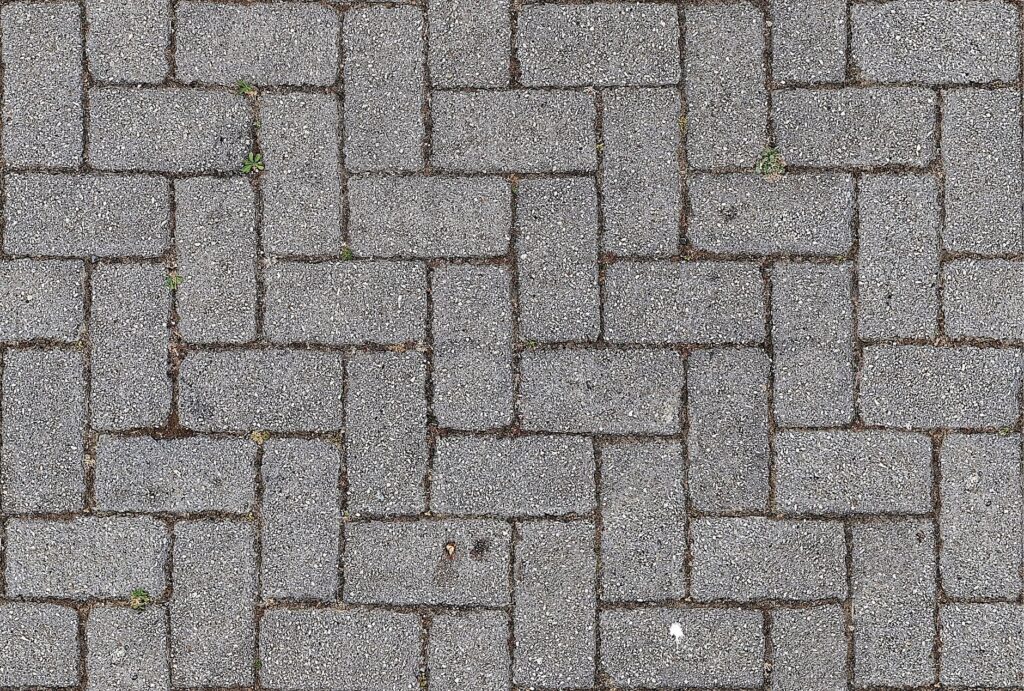
Iowa State University Extension lists concrete pavers and bricks among the flexible materials that accommodate root growth better than rigid concrete. They won’t stop roots from rising, but the extension notes they give a smoother transition over displaced areas. When a section lifts again, the pavers can come up so the bedding can be adjusted, then go back down. That’s routine work for our paver repair and releveling in River Ridge. Compared with a cracked slab, as our post on pavers vs concrete explains, there’s no patch line left behind.
Bridge over the roots
For sidewalks, the extension describes replacing a buckled section with one that slopes up and over the roots, supported by a thicker base layer or by concrete piers spaced around the root system, with a root-excluding base layer underneath. It notes a maximum slope of 1:20 to meet ADA rules for sidewalks. That guidance is written for sidewalks. Whether a driveway that carries vehicles can be raised over roots the same way depends on the roots, the grade at the street and garage, and the base the surface needs, so it’s a question for an on-site look.
Reroute or narrow the paving
Moving paving farther from the trunk protects more of the root system. For sidewalks, the extension suggests a minimum of 4 to 6 feet from smaller trees and 10 feet or more from larger ones. A driveway can’t always move, but a walk or a parking pad often can, which is where our walkway and pathway work in River Ridge comes in.
Add a root barrier or a root-excluding base
Root barriers direct roots downward and away from paving. The extension says they must be at least 18 inches deep, with the top above the soil and mulch surface, and that roots may still find a way under. Installing one means trenching, so it belongs where it won’t cut major roots. The extension also describes root-excluding base layers at least 4 inches thick, which can encourage roots to grow deeper beneath the paving.
Grind a trip lip as a stopgap
Grinding down a raised edge removes the trip hazard, but the extension calls it a temporary fix because the roots keep growing.
Who Owns the Problem When the Tree Is on the Right-of-Way?
River Ridge is unincorporated Jefferson Parish, so parish rules apply. Two parish facts matter here:
- The parish’s driveway FAQ says the property owner is responsible for maintaining the driveway apron, including damage from settlement and trees.
- Parish ordinance gives the Parkways Department authority over plantings on parish right-of-way, trees included. Parkways can issue a permit that lets an owner have tree work done by a qualified company at the owner’s expense, and it reserves the right to deny removing a mature, healthy tree.
If the tree sits between the sidewalk and the street, talk to Parkways before any work that could damage it, including cutting roots. Replacing the apron itself also needs a parish driveway permit, which our post on driveway permits in Jefferson Parish explains. This is general information, and the parish has the final word.
When Is It Time to Call for a Repair?
- a lip at a joint that catches a foot or a stroller wheel
- pavers or slab sections that rock when you drive over them
- water pooling behind a raised section
- cracks spreading outward from the side nearest the tree
If the drive is broken concrete, our guide on whether to resurface or replace cracked concrete covers the bigger decision. For how soft soil adds to the problem, see why pavers settle in New Orleans.
Frequently Asked Questions
Can I cut the oak roots under my driveway?
Treat it as a last resort. Iowa State University Extension advises avoiding cuts on roots over 2 inches in diameter and not cutting buttress roots closer than 3 times the trunk’s diameter. If the tree is on parish right-of-way, talk to the Parkways Department first.
Will pavers stop roots from lifting my driveway?
No. Pavers don’t stop roots, but they can be lifted and relaid when the surface moves, without tearing out a slab.
Should I shave the roots to level a new walk?
LSU AgCenter says any shaving damages roots, and the deeper you shave, the more damage you do. Bridging over them is the gentler route.
Who pays when a tree damages my driveway apron?
The Jefferson Parish driveway FAQ says the property owner is responsible for apron maintenance, including damage due to trees.
Fix the Driveway and Keep the Tree
We’ll look at where the roots run and how the drive has moved, then suggest a repair that leaves the tree’s main roots alone.
See our paver driveways in River Ridge and the River Ridge service area page, or call (504) 688-4244 for a free estimate.
Keep reading
More from the blog
How to Keep Weeds Out of Paver Joints
Weeds and ants in paver joints come from loose sand and trapped moisture. How New Orleans homeowners keep…
Read more
Do You Need a Permit for a Patio in New Orleans?
Whether your New Orleans paver patio needs a permit depends on your parish and what you build. Here…
Read more
Pavers vs Concrete for New Orleans Patios: Which Lasts Longer
Pavers outlast concrete on New Orleans soil because they flex with our soft delta ground and lift and…
Read more