

Maintenance
Sunken and Settled Pavers in New Orleans: Why It Happens
Dips and low spots in a paver patio almost always trace to the base or to water, not the pavers. What causes settling here and how releveling works.
Written by Big Easy Paver Patios
Key Takeaways
- Sunken pavers are almost never a paver problem. The base moved, or water moved the base.
- The four usual causes here are inadequate base depth, poor compaction, water washing base material out, and settlement of soft delta soil.
- Releveling lifts the affected pavers, corrects the base, and resets the same units. No patch line, no color mismatch.
- Fix the cause at the same time. Resetting pavers over the same drainage problem buys you a year.
- Big Easy Paver Patios repairs and relevels across the metro. Call (504) 688-4244.
What a Dip Is Telling You
Quick Answer: When a section of paver patio, walk, or driveway sinks, the pavers themselves are almost always fine. What changed is underneath: base material compacted further, washed away, or the soil below it settled. That’s why the fix is a base repair rather than new pavers, and why simply adding sand on top and resetting the surface never lasts.
The good thing about a paver system is that this is repairable. A cracked concrete slab is a demolition conversation. A settled paver area is a lift-and-reset, which is one of the strongest arguments for pavers over concrete on this ground.
The Four Causes We Find
1. The Base Was Too Thin
The most common cause on work built to a price. A patio base that would be adequate on firm ground is not adequate on soft alluvial soil, and a patio base under a driveway is never adequate. The load finds the weakness and the surface follows.
2. Poor Compaction
Base has to be compacted in lifts, meaning several shallow layers each compacted before the next goes on. Dumping the full depth and running a plate over the top leaves the lower material loose. It compacts later, under your furniture and your car, unevenly.
3. Water Washing the Base Out
This is the local specialty. Our rainfall is heavy and concentrated, and water moving under or through a paver system carries fine material with it. Over time that creates voids, and the surface drops into them.
Common sources: a downspout discharging onto or beside the hardscape, a missing or failed edge restraint letting water and material escape at the perimeter, joints that lost their sand, and grading that sends water under the pavers rather than off them. Our post on fixing backyard drainage covers the yard-scale version of this.
4. Soil Settlement
Metro soils are Mississippi delta alluvial, and settlement is a known regional characteristic, not a defect anyone introduced. It affects buildings here, and it affects hardscape. A well-built system tolerates it and stays serviceable; a poorly built one telegraphs it.
How Releveling Works
- Lift the affected pavers, keeping them for reuse and noting the pattern.
- Expose and inspect the base to find out what actually happened.
- Correct the cause, whether that’s adding and compacting base material, fixing the drainage feeding the problem, or repairing edge restraint.
- Rebuild the base to proper depth, compacted in lifts.
- Screed a fresh bedding layer, reset the same pavers, re-sand the joints, and compact.
Because the original pavers go back down, there’s no color mismatch and no patch outline. That’s a meaningful advantage over concrete repair, where a patch is visible forever.
Fix the Cause or Repeat the Job
The part homeowners sometimes want to skip is step 3. If a downspout is dumping water at the edge of your patio and we reset the pavers without redirecting it, the void will form again. Same with a failed edge restraint or a grade that pitches toward the house.
An honest repair quote will name the cause. If a quote is just “reset the sunken area” with no mention of why it sank, ask.
Catch It Early
Small settling is much cheaper to fix than large settling, because the affected area is smaller and the base damage is less. Watch for:
- Water standing in one spot after rain where it used to drain
- A visible dip or a lip you catch your foot on
- Joints opening up or joint sand disappearing repeatedly in one area
- Pavers rocking underfoot
- Edge courses drifting outward
Recurring joint sand loss in a specific spot is often the earliest signal, because the sand is going somewhere. Related maintenance is covered in keeping weeds out of pavers, and joint stabilization in how to seal pavers in the New Orleans climate.
Where It Shows Up First
Driveways settle in the wheel tracks and at the apron, because that’s where load concentrates. Patios settle near downspouts, at the house edge, and under heavy features like outdoor kitchens. Walks settle where they cross soft ground or near tree roots. Steps show it early and are the most hazardous place for it, covered in steps and stoops.
Frequently Asked Questions
Can I just add sand under the sunken pavers?
It levels the surface briefly. It does not restore the base or fix why material left, so the dip returns.
Is settling covered by a warranty?
Depends on who built it and what their terms say. Workmanship warranties often cover base failure within a period. Find your paperwork.
How much does releveling cost?
It scales with the affected area and how much base repair and drainage work is needed. Far less than replacement, which is the point.
Will it settle again?
Not if the base is rebuilt properly and the cause is corrected. If only the surface is reset, expect a repeat.
Can you match my existing pavers?
We reuse your own pavers, so matching is generally not an issue. Where units are broken, sourcing depends on the product and its age.
Get the Cause Diagnosed
We’ll look at the dip, the drainage feeding it, and the edges, then quote the repair with the cause named so it doesn’t come back.
Big Easy Paver Patios serves Kenner, Slidell, and the wider metro. See paver repair and releveling or call (504) 688-4244.
Keep reading
More from the blog
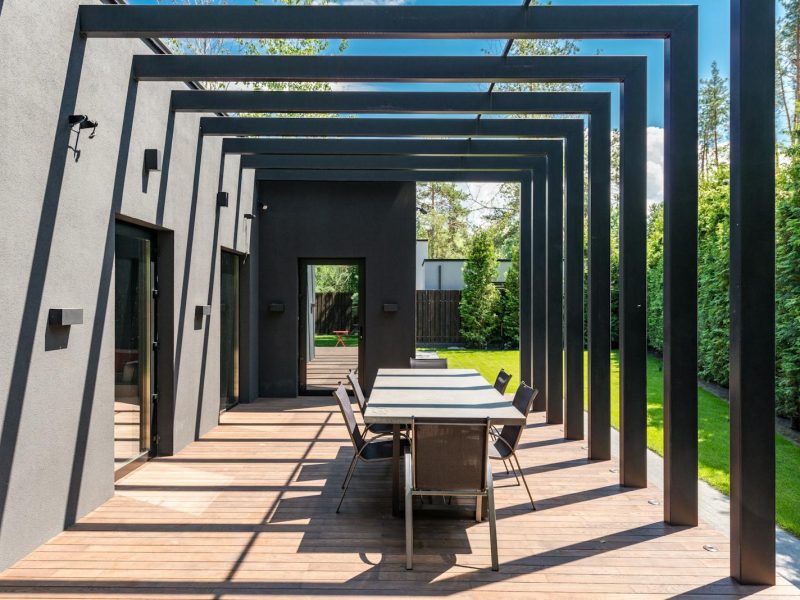
Pergola vs Gazebo vs Pavilion: Which Is Right for Your New Orleans Backyard?
Compare pergolas, gazebos, and pavilions for New Orleans backyards. Learn how each handles Louisiana heat, humidity, and storms…
Read more
Paver Walkways and Front Path Design in New Orleans
A front walk takes constant foot traffic, root pressure from live oaks and standing water after heavy rain.…
Read more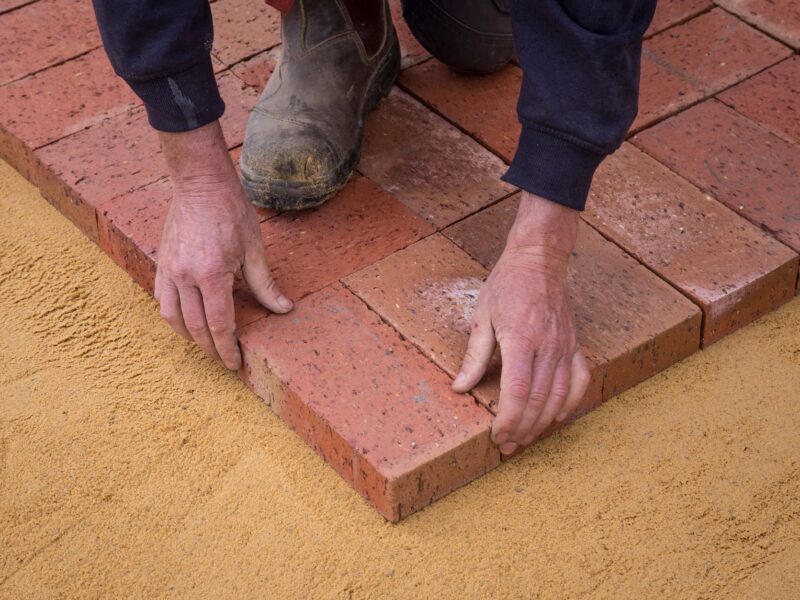
How to Keep Weeds Out of Paver Joints
Weeds and ants in paver joints come from loose sand and trapped moisture, not bad pavers. Here is…
Read more